
Free employment law advice can be a game-changer for those navigating workplace challenges, especially for low-income families who may feel overwhelmed by legal jargon and complex issues. Here’s a brief guide to gaining access:
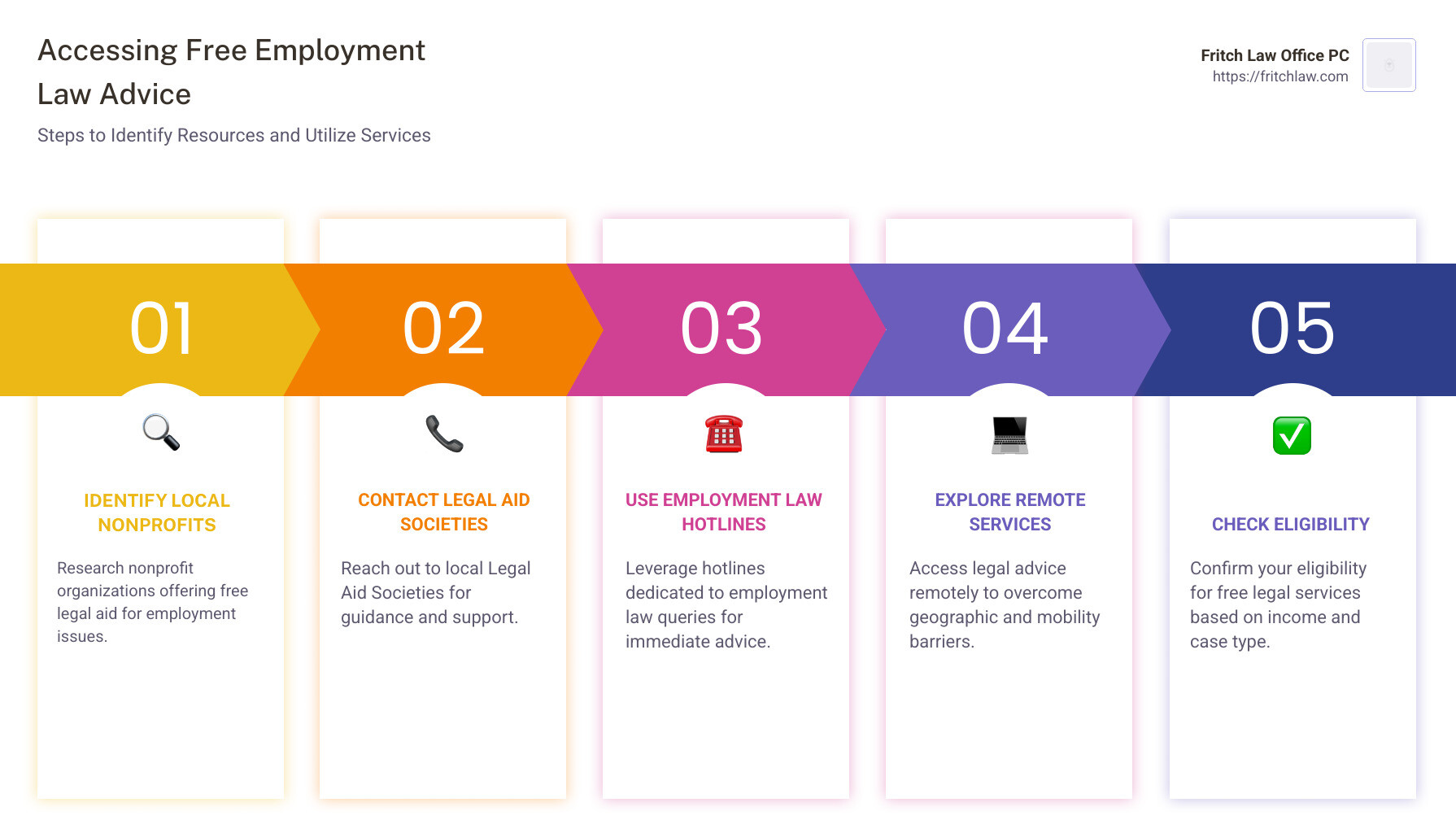
- Explore local nonprofit legal services and pro bono programs.
- Use resources such as the Legal Aid Society or an Employment Law Hotline.
- Benefit from remote services that make legal advice more accessible.
With workplace rights becoming increasingly complex—from discrimination and harassment to wage disputes—having a roadmap to free legal resources is crucial for ensuring justice and fairness.
My name is David Fritch, an experienced lawyer with over 40 years managing Fritch Law Office and handling a wide range of employment law issues. I’m dedicated to supporting families through affordable and comprehensible legal advice. Next, we’ll dig into understanding employment law and its implications for family well-being.
Understanding Employment Law
Navigating employment law can seem daunting, but understanding your rights is crucial. Let’s break down some key areas: discrimination, wage laws, and workplace harassment.
Discrimination
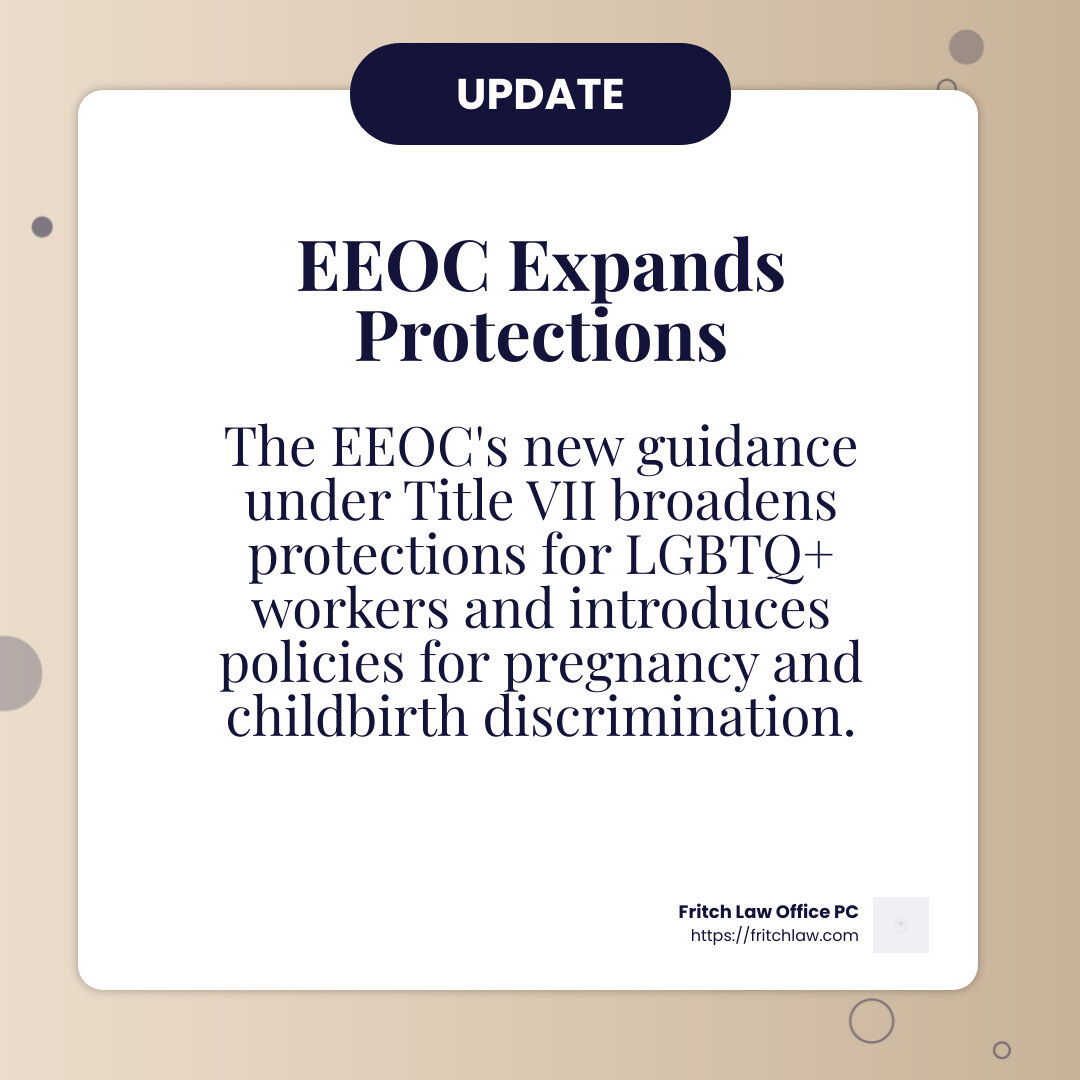
Discrimination in the workplace takes many forms. It can occur during hiring, promotions, or even day-to-day interactions. The Equal Employment Opportunity Commission (EEOC) recently updated its guidance to expand protections under Title VII. This includes new safeguards for LGBTQ+ and transgender workers as well as protections related to pregnancy and childbirth.
But it’s not just federal laws at play. State legislators are actively crafting new laws to address age discrimination, pay inequities, and more. If you feel discriminated against, consult with a knowledgeable attorney or use resources like the Employment Law Hotline to explore your options.
Wage Laws
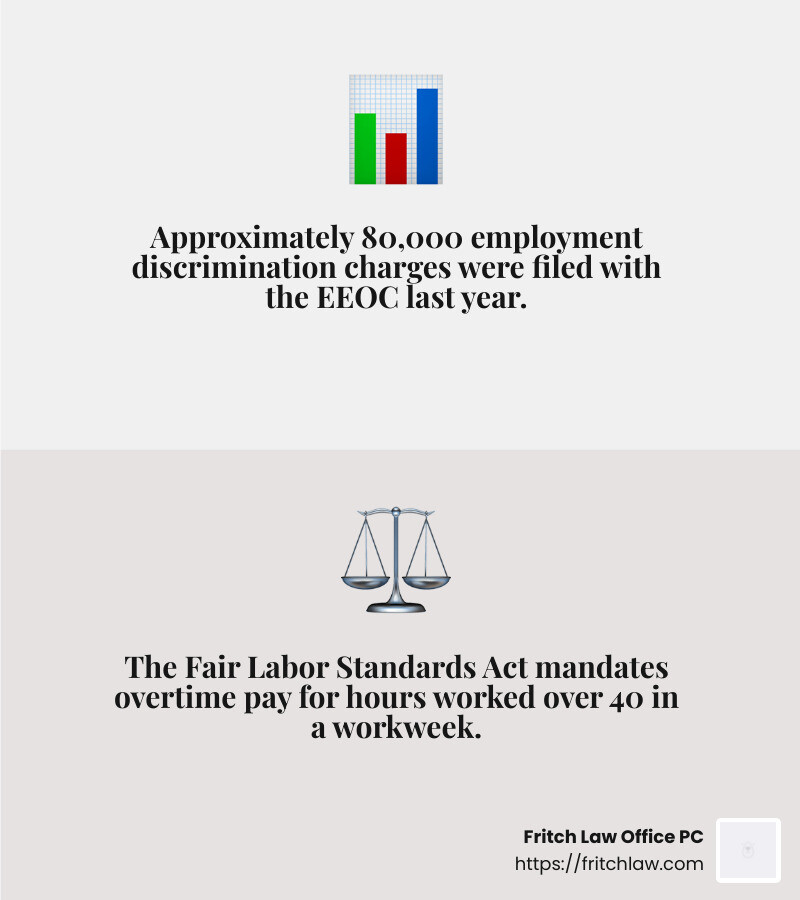
Wage laws ensure you receive fair compensation for your work. Issues like unpaid wages or overtime violations are common, but they shouldn’t be ignored. More than 80,000 employment discrimination charges were filed last year, indicating the prevalence of such issues. If you’re facing wage disputes, organizations like Legal Aid Society offer guidance on recovering what you’re owed.
Remote work has added complexity to wage laws. Some employees feel discriminated against if they’re required to work on-site while others enjoy hybrid arrangements. Understanding your rights in these scenarios is essential.
Workplace Harassment
Workplace harassment is not limited to physical offices. The EEOC confirms that remote workers are also susceptible. This underscores the importance of regular reviews of harassment policies and training programs. Companies must ensure their policies are up-to-date to protect employees effectively.
Sarah Skubas, an employment law attorney, emphasizes the need for annual reviews of workplace harassment policies and training to ensure they’re current.
If you experience harassment, it’s crucial to document incidents and seek legal advice promptly. Many legal aid organizations provide free resources to help you address these situations.
Understanding these aspects of employment law empowers you to take action when needed. In the next section, we’ll explore how to access free employment law advice, ensuring you have the support you need to steer these challenges.
Free Employment Law Advice Resources
Accessing free employment law advice can be a game-changer, especially if you’re dealing with workplace issues like discrimination or unpaid wages. Let’s explore some invaluable resources that can help you steer these challenges without breaking the bank.
Nonprofit Legal Services
Organizations like Legal Aid at Work have been supporting low-income families for over a century. They offer a variety of services, from individualized legal advice to policy advocacy. Their mission is to empower individuals by providing the legal knowledge and support needed to tackle employment-related issues.
These nonprofits often provide direct services through phone consultations or in-person meetings. They can assist with understanding your rights and offer guidance on steps to take if you’re facing workplace challenges.
Pro Bono Programs
Pro bono programs are a fantastic way to get legal assistance without the hefty price tag. Many law schools and bar associations offer these services, connecting you with lawyers who volunteer their time to help those in need.
For example, the American Bar Association offers a platform where individuals with low incomes can ask legal questions online and receive answers from experienced lawyers. While they don’t handle criminal cases, they cover a wide range of employment law issues.
Legal Aid Services
Legal aid services are another excellent resource. The Legal Services Corporation (LSC) is a national organization that funds local legal aid groups across the country. These groups provide free legal help to those who qualify based on income.
By entering your zip code on websites like LawHelp.org, you can find local legal aid services near you. These organizations can assist with filling out forms, like those for uncontested divorces or landlord/tenant disputes, and offer advice on various employment law issues.
These resources are designed to make legal advice accessible to everyone, regardless of income. By leveraging nonprofit legal services, pro bono programs, and legal aid, you can gain the knowledge and support needed to address your employment law concerns effectively.
In the next section, we’ll dive into how you can access these resources and start getting the help you need.
How to Access Free Employment Law Advice
Navigating the complexities of employment law can be daunting, but there are accessible resources available to help you without the cost. Let’s explore how you can tap into free employment law advice through various channels.
Employment Law Hotline
One of the most direct ways to get advice is through the Employment Law Hotline. This service connects you with experienced employment law attorneys who can answer your questions about workplace issues. Whether you’re dealing with discrimination, pay equity, or family leave concerns, the hotline provides valuable insights into your rights and potential next steps.
While the hotline attorneys won’t represent you in court or draft documents, they can offer self-help measures and point you toward social services or governmental agencies for further assistance. Callers with viable cases may even be referred to the Women’s Law Center’s employment law attorney referral panel for more in-depth support.
Legal Aid Society
The Legal Aid Society offers another avenue for accessing free employment law advice. Specializing in helping low-wage and unemployed workers, their Employment Law Unit addresses issues such as unemployment insurance, wage violations, and workplace discrimination.
Currently, the Legal Aid Society provides remote services by phone, making it easier for you to reach out for help from the comfort of your home. You can contact them through their Main Number or Helpline, which are staffed Monday through Friday from 10 am to 3 pm.
Remote Services
Remote services have become a crucial part of accessing legal advice. Many organizations, including the Legal Aid Society, offer consultations over the phone or online platforms. This flexibility ensures you can get the help you need without the hassle of travel or scheduling conflicts.
Remote services also extend to platforms like LawHelp.org, where you can find local legal aid services by entering your zip code. This site helps connect you with resources custom to your specific needs, whether it’s filling out legal forms or getting advice on employment law issues.
By utilizing the Employment Law Hotline, Legal Aid Society, and remote services, you can access the support and guidance necessary to tackle your employment law challenges. These resources are designed to empower you with the knowledge and tools needed to advocate for your rights in the workplace.
Next, we’ll explore some of the most common employment law issues and how you can address them effectively.
Common Employment Law Issues
Understanding common employment law issues is essential for protecting your rights at work. Here, we’ll discuss three significant areas: unpaid wages, family leave, and workplace discrimination.
Unpaid Wages
Unpaid wages are a frequent concern for many workers. This issue arises when employers fail to pay for all hours worked, including overtime. The Fair Labor Standards Act (FLSA) mandates that employees must be paid at least the federal minimum wage and receive overtime pay for hours worked over 40 in a workweek.
If you believe you’re owed wages, it’s crucial to act quickly. Start by documenting your hours and any communication with your employer. You can then contact the Department of Labor’s Wage and Hour Division or seek free employment law advice from resources like the Employment Law Hotline or Legal Aid Society to understand your options.
Family Leave
Family leave is another common issue, especially concerning the Family and Medical Leave Act (FMLA). This federal law allows eligible employees to take unpaid, job-protected leave for specified family and medical reasons. However, not all employers comply with these requirements, leading to disputes.
If you’re denied family leave or face retaliation for taking it, you have rights. Legal aid services can guide you on how to file a complaint with the Department of Labor or take further legal action if necessary.
Workplace Discrimination
Workplace discrimination can take many forms, including bias based on race, gender, age, disability, or sexual orientation. The Equal Employment Opportunity Commission (EEOC) enforces laws against discrimination and provides a platform to file complaints.
In recent updates, the EEOC has expanded protections, including those for LGBTQ+ and pregnant workers. If you face discrimination at work, gather evidence, such as emails or witness statements, and consult with legal aid organizations to explore your legal avenues.
These common employment law issues can significantly impact your work life, but remember, help is available. Utilizing resources like hotlines and legal aid services can empower you to address these challenges effectively.
Next, we’ll answer some frequently asked questions about accessing free employment law advice.
Frequently Asked Questions about Free Employment Law Advice
What is the Employment Law Hotline?
The Employment Law Hotline is a valuable resource for anyone facing workplace-related legal issues. It’s a service where you can talk directly to an experienced employment law attorney. This hotline offers guidance on various topics, including discrimination, pay equity, sexual harassment, and family or medical leave issues.
The attorney on the hotline won’t represent you in court, but they can suggest self-help measures. They might also refer you to social service agencies or a lawyer referral program for further assistance. This service is especially beneficial for understanding your rights and the steps you can take to protect them.
How can I recover unpaid wages?
Recovering unpaid wages can be a daunting task, but there are clear steps you can take. Start by documenting all your hours worked and any communication you’ve had with your employer about pay. This documentation is crucial for building your case.
Next, you can reach out to the Department of Labor’s Wage and Hour Division for help. They enforce the Fair Labor Standards Act, which ensures you receive at least the federal minimum wage and overtime pay. For additional support, contact resources like the Employment Law Hotline or the Legal Aid Society. These organizations offer free employment law advice and can guide you through the process of filing a complaint or taking legal action if necessary.
What should I do if I face workplace discrimination?
Facing workplace discrimination can be intimidating, but you have rights and options. Discrimination can be based on race, gender, age, disability, or sexual orientation, among other factors. The Equal Employment Opportunity Commission (EEOC) is the federal agency responsible for enforcing laws against workplace discrimination.
If you experience discrimination, start by gathering evidence like emails, performance reviews, or witness statements. This evidence can support your claim. Then, consider filing a complaint with the EEOC. They will investigate your claim and can take action against your employer if necessary.
For more personalized guidance, consider reaching out to legal aid organizations. They can provide free employment law advice and help you understand the best course of action for your specific situation.
These resources and steps are designed to help you steer the complexities of employment law and ensure your rights are protected. In the next section, we’ll explore the conclusion and how Fritch Law Office PC can offer personalized legal representation.
Conclusion
Navigating the complexities of employment law can be challenging, but you don’t have to do it alone. At Fritch Law Office PC, we pride ourselves on offering personalized legal representation custom to your unique needs. Our experienced lawyers are dedicated to helping you understand your rights and options, whether you’re dealing with issues like unpaid wages, workplace discrimination, or family leave.
We know that every situation is different, and that’s why we take a client-focused approach. We listen to your concerns, provide clear guidance, and work with you to find practical solutions. Our goal is to help you feel empowered and informed, so you can make the best decisions for your work life.
If you’re ready to take the next step in addressing your employment law concerns, contact Fritch Law Office PC today. We’re here to support you with experienced legal advice and a commitment to protecting your rights.