

Commercial lease agreement indiana: Complete 2026 Guide
Fritch Law Office handles commercial lease agreement indiana cases for Indiana residents every day. First, our attorneys examine your situation carefully. Next, we identify your strongest legal options. Furthermore, we explain every step in plain language. Therefore, you make confident decisions from day one.
Key Facts About Commercial lease agreement indiana in Indiana
Indiana courts apply strict 2026 rules to commercial lease agreement indiana matters. Moreover, experienced attorneys win better outcomes for clients. Additionally, early legal advice prevents costly mistakes. Consequently, clients who hire Fritch Law gain a clear advantage. However, waiting too long weakens your position significantly.
Take Action on Commercial lease agreement indiana Today
Do not delay your commercial lease agreement indiana case. First, call our Jasper office directly. Next, we schedule your free consultation immediately. Then, we build a winning strategy for you. Additionally, we represent you at every court hearing. Finally, we resolve your case as fast as possible.

Visit the Indiana Courts website for official legal information. Contact Fritch Law for your free consultation today.
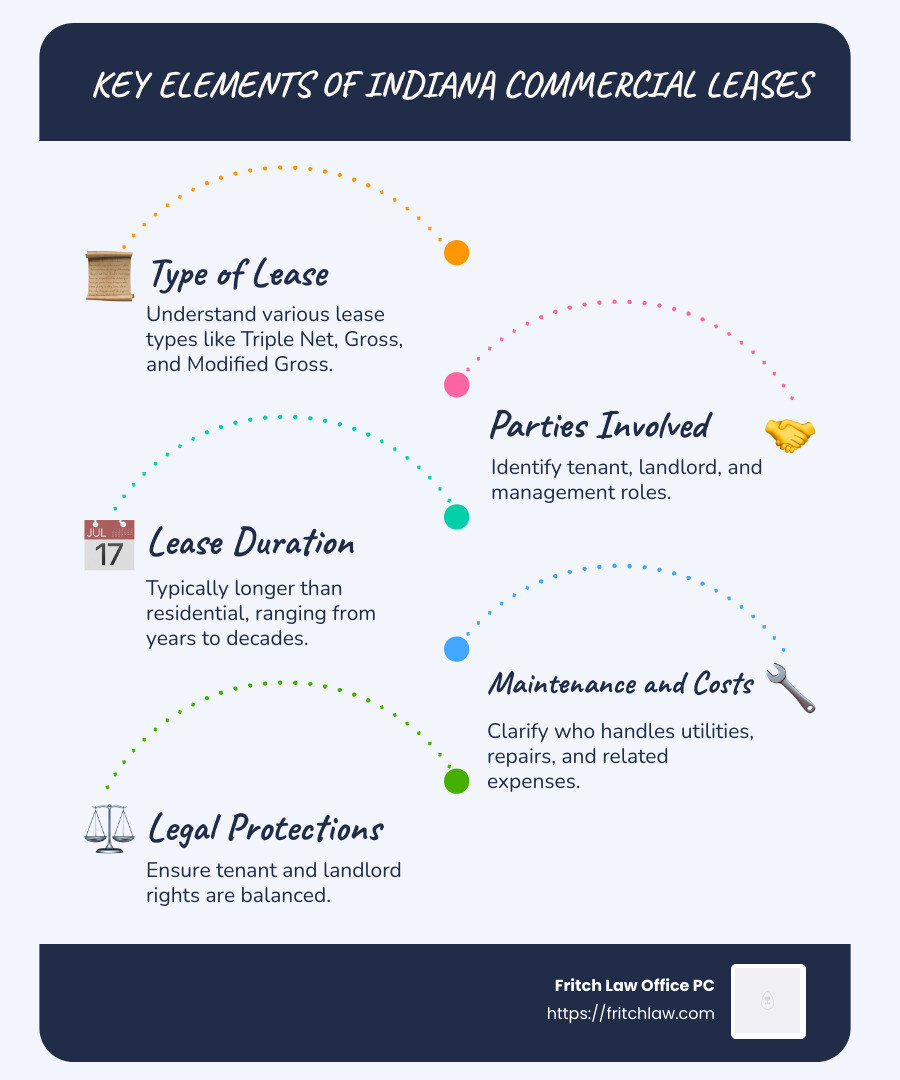
When navigating Commercial lease agreement Indiana, it’s crucial to understand the basics:
- Type of Lease: Indiana offers several, like Triple Net, Gross, and Modified Gross.
- Parties Involved: Clearly identify the tenant, landlord, and management, if applicable.
- Lease Duration: Typically longer than residential leases, ranging from years to decades.
- Maintenance and Costs: Know who handles utilities, repairs, and related expenses.
These leases are more than just rental agreements. They’re comprehensive legal documents that require careful attention to detail, balancing tenant needs with landlord protections. As business relationships go, these are foundational and can significantly affect how a business operates.
I’m David Fritch. With over 40 years of experience in real estate law, I help clients expertly steer Commercial lease agreement Indiana. Now, let’s dig deeper, exploring essential lease types and drawing from legal insights.
Types of Commercial Leases in Indiana
When it comes to Commercial lease agreement Indiana, understanding the lease types is key. Each type has unique features that cater to different business needs and financial strategies. Let’s break them down:
Gross Lease
In a gross lease, the tenant pays a fixed rent, and the landlord covers most property expenses, like taxes, insurance, and maintenance. This is straightforward for tenants who prefer predictable monthly costs.
Example: Imagine renting an office space where you only pay the rent, and the landlord handles everything else. It’s simple and hassle-free!
Triple Net Lease (NNN)
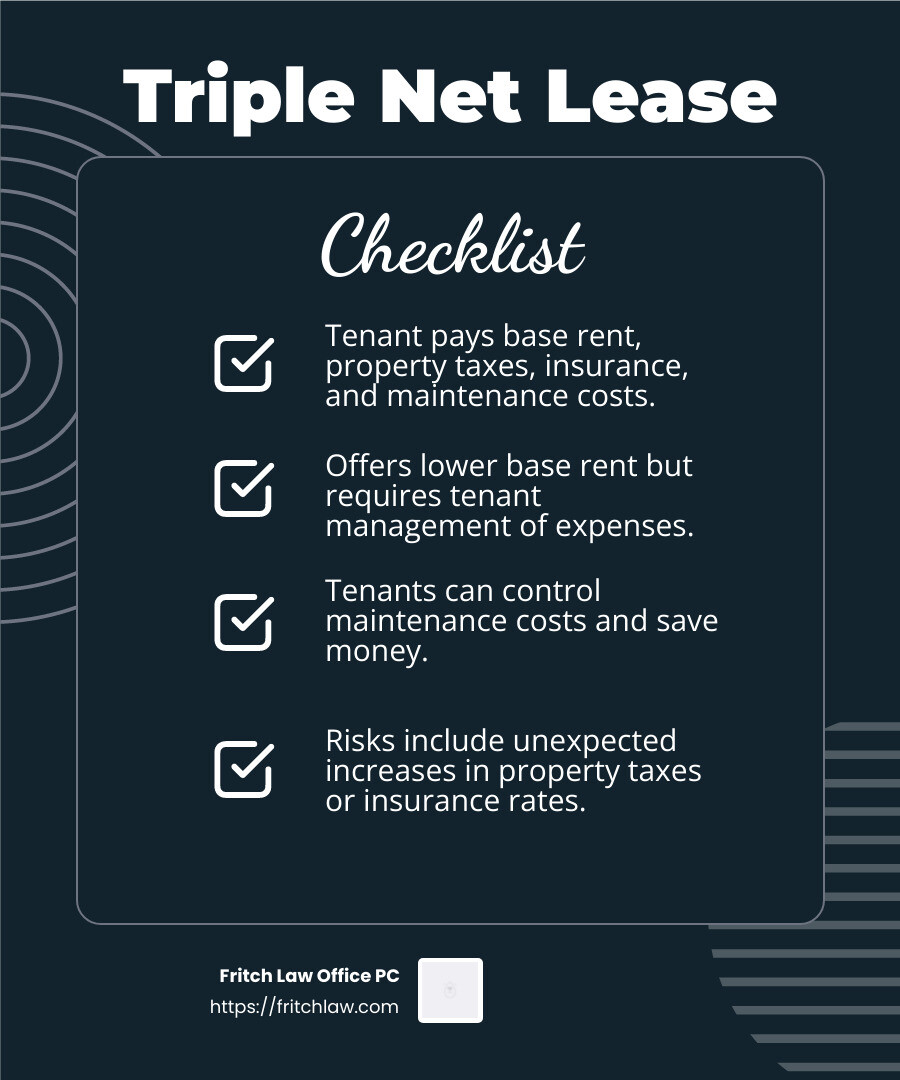
A triple net lease shifts more responsibility to the tenant. Here, the tenant pays not just the rent, but also property taxes, insurance, and maintenance costs. While this can mean lower rent, it requires tenants to manage more expenses.
Pros: Tenants have control over maintenance and can potentially save on costs.
Cons: There’s a risk if property taxes or insurance rates increase unexpectedly.
Percentage Lease
Typically used in retail, a percentage lease involves a base rent plus a percentage of the tenant’s sales. This aligns the landlord’s income with the tenant’s business performance.
Example: A small boutique in a mall might pay a base rent, plus a percentage of its monthly sales. This can benefit new businesses that expect growth.
Modified Gross Lease
A modified gross lease is a hybrid of the gross and triple net leases. The tenant pays rent and a portion of the property expenses, which are specified in the lease. This provides a balanced approach, offering flexibility in expense management.
Scenario: A tech startup might opt for this to share utility costs while having a fixed rent.
Understanding these lease types helps both landlords and tenants make informed decisions. Each type has its pros and cons, and the choice depends on the specific needs and financial strategies of the business involved.
Next, we’ll explore the key components that make up a Commercial lease agreement Indiana.
Key Components of a Commercial Lease Agreement Indiana
When drafting a Commercial lease agreement Indiana, several key components are essential to ensure clarity and protect both parties involved. Here’s a breakdown of what to include:
Lease Duration
The lease duration specifies how long the tenant can occupy the property. It can range from a few years to several decades, depending on the business’s needs. A well-defined lease term helps both parties plan for the future.
Tip: Consider including options for renewal to provide flexibility for extending the lease.
Rent Cost
Understanding the rent cost is crucial. It includes the base rent and any additional fees that may apply. Rent structures vary depending on the lease type (e.g., gross lease, triple net lease).
Example: In a gross lease, the rent might be higher to cover additional expenses covered by the landlord.
Property Description
A detailed property description is vital. It should outline the property’s physical address, size, and any specific features or amenities included. This ensures there’s no confusion about what’s being leased.
Include: Unit number, street address, and any included facilities like parking spaces.
Insurance Requirements
Insurance protects both the tenant and the landlord. The lease should specify the types of insurance required, such as liability and property insurance. Tenants may need to provide proof of insurance before moving in.
Important: Clearly outline who is responsible for insuring different parts of the property.
Renewal Options
Renewal options give tenants the ability to extend their lease. These options should include terms for renewal, such as rent adjustments and notification periods.
Fact: Many leases require tenants to notify landlords of their intent to renew several months before the lease ends.
Expense Division
Understanding how expenses are divided is crucial. This includes taxes, maintenance, and utilities. The lease should clearly state who pays for what, avoiding disputes later on.
Scenario: In a modified gross lease, the tenant might pay for utilities while the landlord covers taxes and insurance.
These components form the backbone of a solid Commercial lease agreement Indiana. By addressing these areas comprehensively, landlords and tenants can ensure a smooth leasing experience.
Next, we’ll discuss the required disclosures in Indiana to ensure compliance and transparency.
Required Disclosures in Indiana
When entering into a Commercial lease agreement Indiana, there are specific disclosures required by law to ensure transparency and protect both parties. Here are the key disclosures you need to be aware of:
Flood Plain Disclosure
In Indiana, if the commercial property is located within a flood plain, landlords must disclose this information to tenants. This is crucial because properties in flood plains are at higher risk of flooding, which can affect business operations and insurance costs.
Tip: Confirm the property’s flood zone status with local authorities or a reliable mapping service to ensure compliance with this disclosure requirement.
Military Installation Disclosure
If your property is near a military installation, this must be disclosed to potential tenants. Proximity to military bases can mean exposure to noise, traffic, or other disruptions due to military operations.
Fact: According to Indiana Code IC 36-7-30.2-6, this disclosure helps tenants understand potential impacts on their business activities.
Lead Paint Disclosure
Federal law mandates that properties built before 1978 must disclose the presence of lead-based paint. Lead paint poses serious health risks, especially to pregnant women and children.
Requirement: Landlords should provide a lead paint disclosure form, which must be signed by the tenant. This ensures both parties acknowledge the potential risks and legal compliance.
These disclosures are not just legal formalities; they play a critical role in ensuring that tenants are fully informed of any potential risks associated with the property. Including these in your lease agreement helps prevent misunderstandings and legal disputes down the line.
Next, we’ll explore how to customize your lease agreement to meet specific needs and preferences.
How to Customize Your Lease Agreement
When drafting a Commercial lease agreement Indiana, customization is key to ensuring the agreement meets the unique needs of both the landlord and tenant. Here’s how you can tailor your lease effectively:
Customization
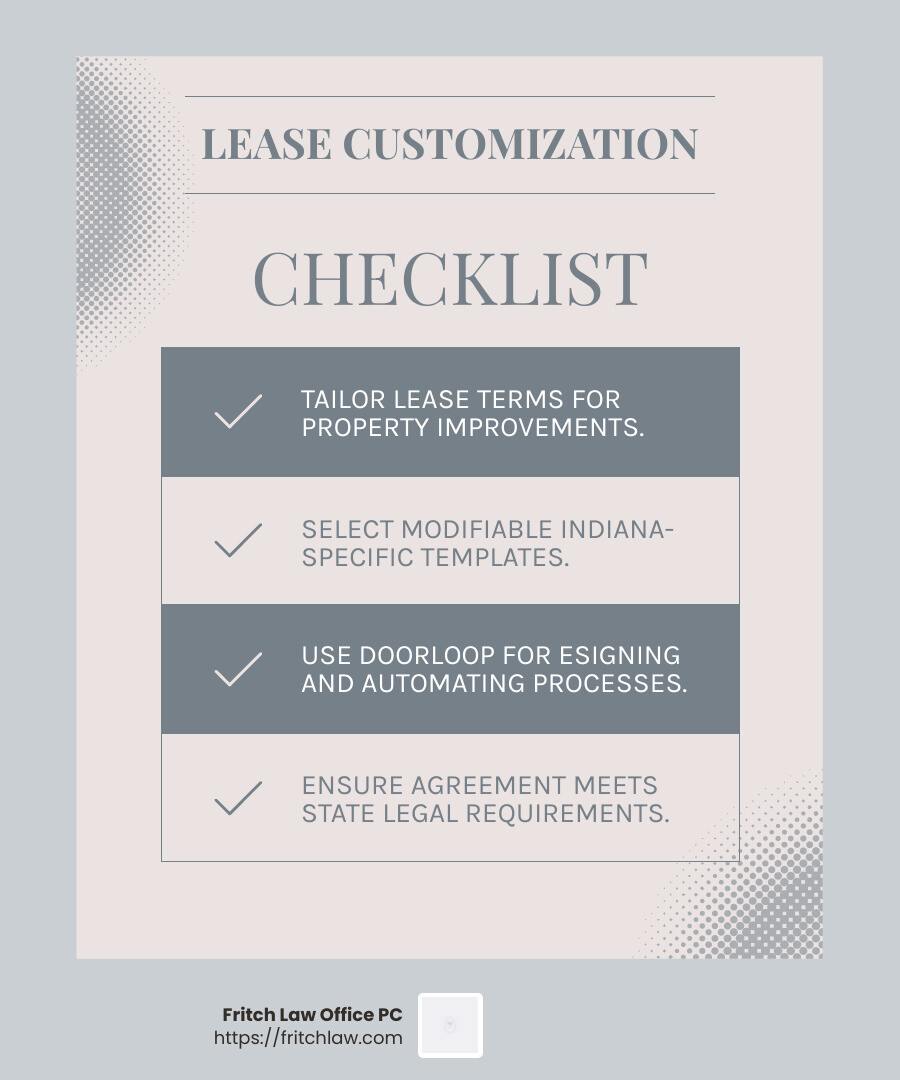
Every business is different, and so are its leasing needs. Customizing your lease agreement allows you to address specific requirements such as property improvements, subleasing rules, and storage restrictions. This flexibility ensures that the lease aligns with your business operations and future plans.
Example: If you’re planning to make property improvements, like installing new signage, include specific terms in the lease that outline what’s permitted. This prevents potential conflicts and ensures both parties are on the same page.
Lease Templates
Using a lease template can be a great starting point. However, templates are often generic and may not cover all your specific needs. It’s crucial to select a template that allows for modifications. This way, you can add or remove clauses to suit your situation.
Pro Tip: Look for templates that are specific to Indiana, as these will include state-specific legal requirements and disclosures.
DoorLoop
DoorLoop is a property management software that simplifies the lease creation process. It offers customizable templates that you can easily adapt to your requirements. With DoorLoop, you can:
- eSign Documents: Allow tenants to sign leases electronically, saving time and reducing paperwork.
- Automate Processes: Reuse templates and auto-fill information to streamline the leasing process.
- Market Properties: List your properties online and manage applications digitally, making it easier to find suitable tenants.
Using tools like DoorLoop not only helps in customizing leases but also improves overall property management efficiency. This approach ensures your lease agreements are comprehensive, compliant, and custom to your specific needs.
In the next section, we’ll address some frequently asked questions about commercial lease agreements in Indiana.
Frequently Asked Questions about Commercial Lease Agreement Indiana
What is the most common type of commercial lease?
In Indiana, the gross lease is a popular choice, especially for office and retail spaces. With a gross lease, tenants pay a fixed rent amount, while the landlord covers most of the property expenses like maintenance, insurance, and taxes. This makes budgeting easier for tenants since their costs are predictable.
Example: A small retail shop in a shopping mall might opt for a gross lease to avoid unexpected expenses, allowing the business to focus on sales and operations without worrying about fluctuating maintenance costs.
Do leases need to be notarized in Indiana?
Generally, commercial leases in Indiana do not need to be notarized to be valid. However, ensuring the lease is signed by both parties is crucial for its enforceability. While notarization is not a requirement, having a lease notarized can add an extra layer of security, especially for long-term agreements.
Indiana Law Tip: Always ensure that lease agreements comply with state laws and include all necessary disclosures, such as lead paint information, to avoid legal issues down the line.
How does a commercial lease option work?
A lease option in a commercial lease agreement provides the tenant with the choice to purchase the property at a later date, typically at a predetermined price. This can be beneficial for businesses that want to secure a location while deciding on a long-term investment.
How It Works: During the rental period, the tenant pays rent as usual. If they decide to buy the property, they can exercise the purchase option under the agreed terms. This option is often used by businesses looking to expand and secure their operational base.
In the next section, we’ll dig into the necessary disclosures required for commercial lease agreements in Indiana.
Conclusion
Navigating the complexities of a commercial lease agreement in Indiana can be challenging. That’s where we come in. At Fritch Law Office PC, we offer personalized legal representation custom to your unique needs. Our experienced lawyers focus on providing clear guidance and support throughout the leasing process.
Whether you’re a landlord or a tenant, understanding the nuances of commercial leases is crucial. Our team is here to ensure that your lease agreements are not only legally sound but also aligned with your business goals. We pay meticulous attention to detail, ensuring that all necessary disclosures are included and that the terms are clear and enforceable.
By choosing Fritch Law Office PC, you’re partnering with a team dedicated to protecting your interests and ensuring your peace of mind. Let us help you steer your commercial lease needs with confidence. Contact us today to learn more about how we can assist you.