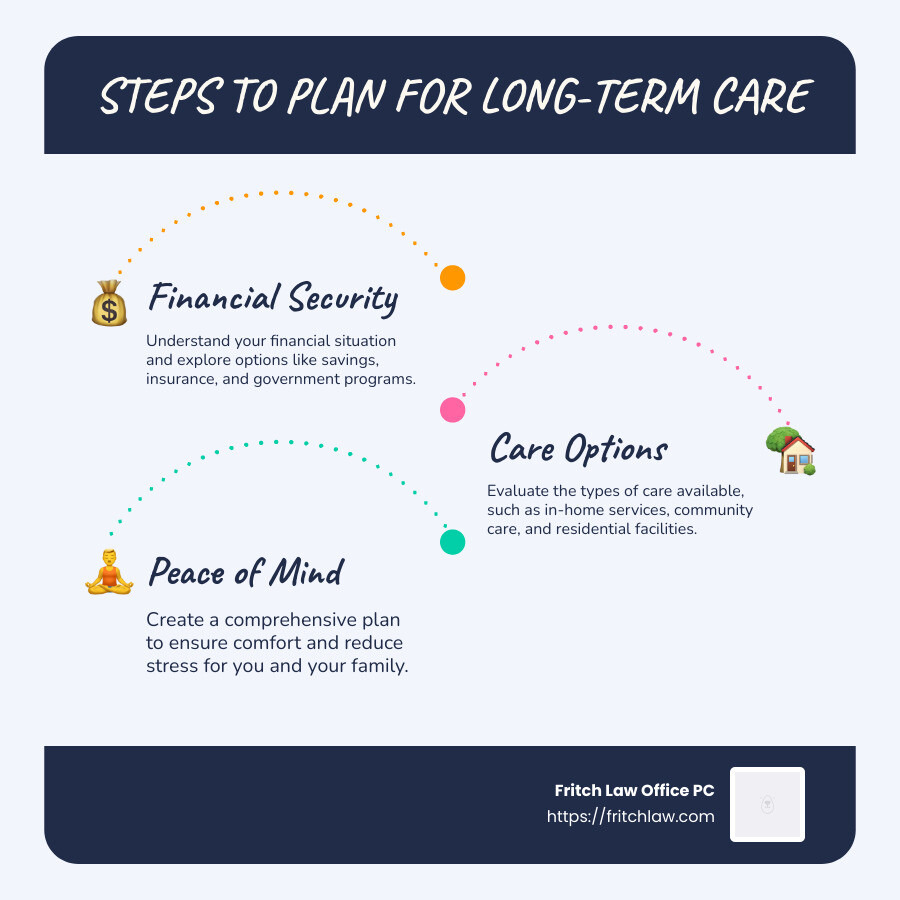
Long-term care planning is essential for ensuring your future needs are met as you age. It’s all about preparing for the possibility that you may need assistance with daily activities due to illness, disability, or aging. Here’s a quick overview:
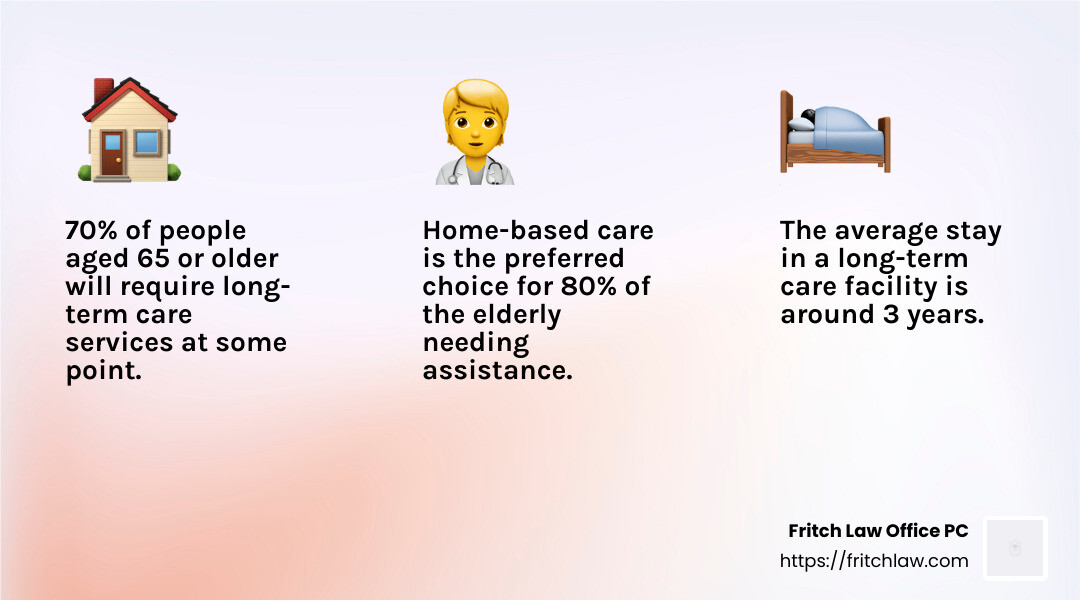
- Understanding the Need: Most people will require some form of long-term care in their lives.
- Financial Preparedness: Long-term care can be expensive, and planning helps manage potential costs.
- Peace of Mind: Knowing your plan is set can relieve stress for you and your family.
At its core, long-term care planning involves anticipating the type of help you might need and determining how to pay for it. Whether it’s in-home care, community support, or residential facilities, having a plan ensures you’re prepared for any outcome.
My name is David Fritch. With over four decades of experience, I have been dedicated to guiding individuals through the complexities of estate and long-term care planning. My focus is on making these complex topics understandable and manageable.
Simple guide to long-term care planning:
– asset protection lawyer
– advanced estate planning strategies
– living will attorney
Understanding Long-Term Care
Long-term care is all about helping people who can’t fully care for themselves anymore. This can happen due to aging, illness, or disability. It involves a range of services that support personal care and daily living activities.
Services
Long-term care services are designed to help individuals maintain as much independence as possible. These services can be provided in various settings, including at home, in the community, or at residential facilities. The goal is to make sure that the person needing care can live safely and comfortably, regardless of where they are.
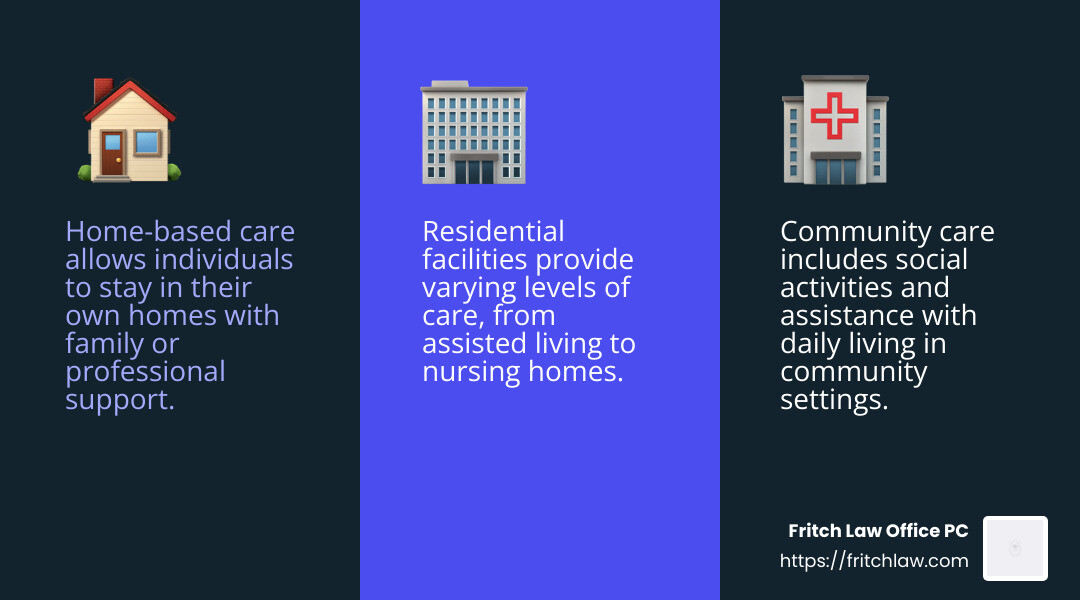
Home-based care is often the first choice for many. It allows individuals to receive help in the comfort of their own home. This can include assistance from family members, friends, or professional caregivers. Tasks like bathing, dressing, and taking medications are common services provided at home.
In addition to home-based care, there are community care options like adult day care centers. These centers offer meals, exercise, and social activities, allowing individuals to stay engaged with their community.
For those needing more comprehensive support, residential facilities such as assisted living or nursing homes are available. These facilities provide housing, meals, personal care, and medical services all in one place.
Personal Care
Personal care is a crucial part of long-term care. It focuses on helping people with activities of daily living (ADLs), which include:
- Bathing
- Dressing
- Eating
- Using the toilet
- Moving from a bed to a chair
These activities are essential for maintaining a basic quality of life. When someone struggles with these tasks, it can signal the need for long-term care assistance.
Daily Living Activities
Beyond personal care, long-term care also supports instrumental activities of daily living (IADLs). These are tasks that allow an individual to live independently, such as:
- Managing finances
- Preparing meals
- Shopping for groceries
- Using the phone
- Maintaining a home
When someone finds these tasks challenging, it might indicate a growing need for additional support.
Understanding the different aspects of long-term care—services, personal care, and daily living activities—helps in making informed decisions about future needs. This knowledge is vital for effective long-term care planning, ensuring that you or your loved ones receive the appropriate care when it’s needed most.
The Importance of Long-Term Care Planning
Planning for long-term care is not just about ensuring future support; it’s about securing peace of mind for you and your family. Let’s explore why this planning is crucial.
Financial Implications
Long-term care can be expensive, and the costs are only expected to rise. For example, in California, nursing home rates have increased by over 5% annually in the past two decades. This means a year of care costing $50,000 today could double in 14 years. Without a plan, these costs can quickly deplete savings and impact family finances.
Funding Options: Many people rely on a mix of personal funds, government programs like Medicare and Medicaid, and private financing options such as long-term care insurance. Each option has its benefits and limitations, so understanding these is key to making an informed decision.
Family Discussions
Talking about long-term care isn’t easy, but it’s necessary. Discussing preferences and expectations with family members ensures everyone’s on the same page. These conversations should cover who will provide care, where it will be provided, and how it will be financed.
Tips for Effective Conversations:
– Start Early: Begin discussions before care is needed. This reduces stress and allows time for thoughtful planning.
– Be Open: Encourage everyone to share their thoughts and concerns.
– Seek Professional Guidance: Involve experienced lawyers or financial advisors to help steer complex decisions.
Proactive Approach
Being proactive in long-term care planning means anticipating future needs and preparing accordingly. This includes assessing potential health risks, understanding care options, and setting aside funds.
Benefits of a Proactive Approach:
– Avoid Last-Minute Decisions: Planning ahead prevents rushed decisions during a crisis.
– Custom Care: Ensures that care aligns with personal preferences and needs.
– Financial Security: Protects assets and reduces the financial burden on family members.
In summary, long-term care planning is about more than just care—it’s about maintaining control over your future. By considering the financial implications, engaging in family discussions, and taking a proactive approach, you can make informed decisions that benefit both you and your loved ones.
Next, we’ll explore the key components of long-term care planning, including assessment, diagnosis, and implementation.
Key Components of Long-Term Care Planning
Planning for long-term care involves several critical steps to ensure that you or your loved ones receive the best possible support when needed. Let’s break down these key components:
Assessment
The first step in long-term care planning is a thorough assessment of current needs and potential future requirements. This involves evaluating physical and mental health, daily living activities, and personal preferences. It’s important to consider both current health conditions and potential future changes.
- Health Evaluation: Regular check-ups can help identify early signs of health issues that might require long-term care.
- Lifestyle Considerations: Factors such as living arrangements and support systems should also be assessed.
Diagnosis
Understanding specific health conditions that might affect long-term care needs is crucial. This involves working with healthcare professionals to diagnose any ongoing illnesses or conditions that could impact daily life.
- Medical History Review: A comprehensive review of medical history can provide insights into potential care needs.
- Cognitive Assessments: Evaluations for conditions like dementia or Alzheimer’s can guide future care planning.
Outcomes
Setting clear goals for what you want to achieve with your care plan is essential. Outcomes should be realistic and custom to individual needs and preferences.
- Quality of Life: Ensuring that the care plan supports a high quality of life is a primary outcome.
- Independence: Maintaining as much independence as possible should be a focus.
Implementation
After establishing a plan, it’s time to put it into action. This involves coordinating with healthcare providers, caregivers, and family members to ensure everything is in place.
- Care Coordination: Work with professionals to arrange necessary services and support.
- Family Involvement: Keep family members informed and involved in the implementation process.
Evaluation
Regularly evaluating the effectiveness of the care plan is vital. This ensures that it continues to meet evolving needs and allows for adjustments as necessary.
- Ongoing Monitoring: Regular check-ins with healthcare providers can help track progress and make necessary changes.
- Feedback Loop: Encourage feedback from all involved parties to improve care delivery.
By focusing on these components—assessment, diagnosis, outcomes, implementation, and evaluation—you can create a comprehensive long-term care plan that adapts to changing needs and ensures quality care.
Next, we’ll dig into the various types of long-term care services available, including home-based care, community care, and residential facilities.
Types of Long-Term Care Services
When it comes to long-term care, understanding the different types of services available is crucial. These services are designed to help individuals maintain their independence and quality of life as much as possible. Let’s explore the main categories: home-based care, community care, and residential facilities.
Home-Based Care
Home-based care is often the preferred choice for many, as it allows individuals to stay in the comfort of their own homes. This type of care can be provided by informal caregivers, such as family members and friends, or by formal caregivers, like nurses and home health aides.
- Personal Care: Assistance with activities of daily living (ADLs), such as bathing, dressing, and meal preparation, is a key component of home-based care.
- Medical Support: Professional caregivers can provide medical services, including medication management and physical therapy.
- Supervision and Safety: Ensuring a safe environment and providing supervision can help prevent accidents and manage health conditions effectively.
Community Care
Community care services are designed to support individuals while allowing them to remain active in their community. These services are often provided in settings like adult day care centers or senior centers.
- Social Activities: Community care often includes social and recreational activities to foster engagement and prevent isolation.
- Transportation and Meals: Services may include transportation to appointments and community events, as well as meal programs.
- Personal Assistance: Similar to home-based care, community care can offer help with ADLs in a community setting.
Residential Facilities
For those who need more intensive support, residential facilities offer a range of services. These facilities vary in the level of care they provide and include options such as assisted living and nursing homes.
- Assisted Living: These facilities offer housing, meals, and personal care services, along with social and recreational activities. They are ideal for individuals who need some assistance but want to maintain a degree of independence.
- Nursing Homes: Providing 24-hour medical care and supervision, nursing homes are suited for individuals with significant health needs.
- Specialized Programs: Some residential facilities offer specialized programs for conditions like Alzheimer’s disease, ensuring custom care for those with specific needs.
Choosing the right type of long-term care service depends on individual needs, health conditions, and personal preferences. By understanding these options, you can make informed decisions that best support your or your loved one’s well-being.
Next, we’ll explore how to pay for long-term care, including the use of personal funds, government programs, and long-term care insurance.
Paying for Long-Term Care
Paying for long-term care can be a daunting task, but understanding the options available can help ease the burden. Here’s a breakdown of the primary ways to cover these costs: personal funds, government programs, and long-term care insurance.
Personal Funds
Many people rely on their personal funds to pay for long-term care. This can include savings, pensions, Social Security benefits, or proceeds from the sale of assets like a home.
- Savings and Investments: Setting aside money specifically for long-term care can provide peace of mind. It’s wise to plan early and include long-term care in your retirement strategy.
- Pension and Social Security: These can help cover some of the costs, but often aren’t enough on their own. Combining them with other resources is usually necessary.
- Asset Liquidation: Some individuals choose to sell assets, such as a home, to generate funds for care needs.
Government Programs
Government programs can provide significant assistance, especially for those who meet certain eligibility requirements.
- Medicaid: This program is a crucial safety net for many, covering long-term care costs for individuals with limited income and assets. However, it typically requires individuals to “spend down” their assets to qualify.
Note: Medicaid coverage varies by state, so it’s important to understand the specific rules in your area. Learn more about Medicaid.
- Medicare: While Medicare doesn’t cover long-term care in full, it may pay for short-term skilled nursing care or rehabilitation after a hospital stay.
- PACE: The Program of All-Inclusive Care for the Elderly (PACE) helps individuals live at home rather than in nursing homes by providing comprehensive medical and social services.
Long-Term Care Insurance
Long-term care insurance is designed to cover the costs associated with long-term care services, whether at home or in a facility.
- Coverage Options: Policies typically cover a range of services, including nursing home care, home health care, and assisted living.
- Premiums: Premiums are usually paid annually or monthly, and can increase over time. It’s advisable to purchase a policy in your 50s or 60s to secure lower rates.
Tip: Consider “hybrid” policies that combine life insurance with long-term care benefits. These can offer more flexibility and may provide a death benefit if long-term care is not needed.
Understanding these options can help you create a comprehensive plan for funding long-term care, ensuring you or your loved one receives the necessary support without undue financial stress.
Next, let’s dive into some frequently asked questions about long-term care planning, including the best age to start planning and important principles to consider.
Frequently Asked Questions about Long-Term Care Planning
What are the four principles of LTC planning?
1. Knowledge: Understanding your options is key. Learn about different types of care services, costs, and funding sources. Stay informed to make the best decisions for you and your family.
2. Professional Help: Consulting with an experienced lawyer or financial advisor can clarify legal and financial aspects. They can help you steer complex decisions and ensure your plan is comprehensive and up-to-date.
3. Caregiver Stress: Long-term care planning should consider the well-being of caregivers. Family members often provide care, which can be stressful and overwhelming. Planning ahead can help distribute responsibilities and reduce stress.
4. Written Agreement: Documenting your wishes is crucial. A written agreement outlines the type of care you want and who will provide it. This ensures everyone is on the same page and reduces potential conflicts.
At what age should you start planning for long-term care?
It’s wise to start long-term care planning in your 50s. This is often when health changes become more noticeable, and planning early can provide more options and lower costs.
- Health Changes: As we age, health issues can arise unexpectedly. Planning ahead allows you to prepare for potential needs, ensuring you’re not caught off guard.
- Financial Preparation: Starting in your 50s gives you time to save and explore insurance options, which can be more affordable at a younger age.
What are the 4 Ps in long-term care?
When considering long-term care, keep in mind the 4 Ps:
1. Pain: Manage and address any chronic pain issues to improve quality of life.
2. Position: Ensure the living environment is safe and accessible. This includes arranging furniture for easy movement and installing safety features like grab bars.
3. Placement: Decide on the best setting for care, whether at home, in a community facility, or a residential setting. This choice depends on personal preferences and care needs.
4. Personal Needs: Focus on individual care preferences, such as dietary needs, daily routines, and social activities. Personalizing care ensures comfort and satisfaction.
Understanding these aspects can empower you to create a robust long-term care plan that prioritizes your well-being and peace of mind.
Next, we’ll explore how to tailor your long-term care plan to fit your specific circumstances and needs.
Conclusion
Planning for long-term care is a crucial step in securing your future and ensuring peace of mind for you and your loved ones. At Fritch Law Office PC, located in Jasper, Indiana, we understand the complexities involved in this process. Our approach centers on personalized legal representation, custom to meet the unique needs of each client.
Why Choose Us?
-
Personalized Service: We believe in crafting solutions that align with your specific goals and circumstances. Our team listens carefully to your concerns and provides guidance every step of the way.
-
Experienced Lawyers: Navigating the legal intricacies of long-term care planning can be daunting. Our experienced attorneys are here to simplify the process, offering clarity and support as you make important decisions.
-
Local Expertise: Being rooted in Jasper, Indiana, we are well-versed in the local laws and community resources that can aid in your long-term care planning.
Taking the time to plan for long-term care now can alleviate stress and uncertainty in the future. Whether you’re just beginning to consider your options or need to update an existing plan, we’re here to help you every step of the way.
Ready to start planning for your future? Contact Fritch Law Office PC today to schedule a consultation and begin your journey toward a secure and well-prepared future.