
The Ultimate Indiana Estate Planning & Tax Strategy Guide for 2026
Protect Your Legacy & Slash Taxes (Wills, Revocable Trusts, Powers of Attorney, Healthcare Directives, Gifting Strategies, Probate Avoidance, Federal Exemption Update, Costs, Timeline, Real-Life Examples, Myths Debunked & FAQs)
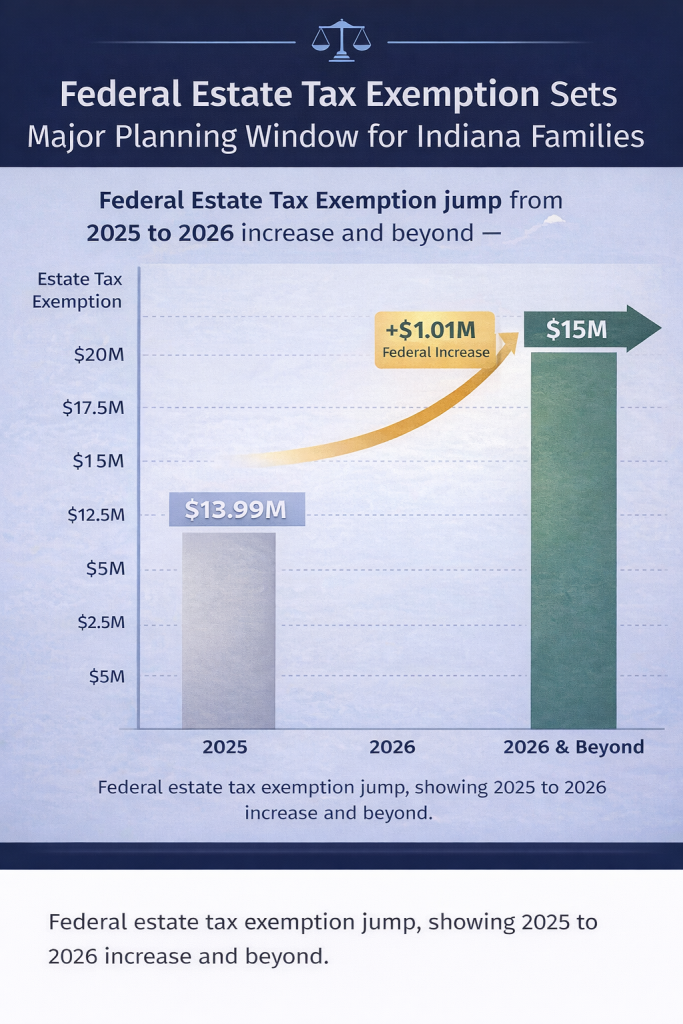
This means most Indiana families pay zero federal estate tax, but smart planning still saves thousands in probate costs, avoids court delays, protects assets from creditors, and reduces income taxes for heirs. The key tools — revocable living trusts, wills, powers of attorney, and healthcare directives — combined with strategic gifting and beneficiary updates — can slash taxes, skip probate, and ensure your wishes are followed without drama.
Whether you’re a retiree in Jasper, a business owner in Evansville, or a young family in Tell City, this guide shows you how to protect what matters most — without unnecessary complexity or cost.
Why 2026 Is the Perfect Year for Indiana Estate Planning

What Is Estate Planning & Why Is It Critically Important – MBB
Another visual checklist highlighting the 5 essential Indiana estate planning documents every family needs.
The Foundation: Your Indiana Estate Planning Documents (What You Need in 2026)
Be accurate and detailed — it helps the investigation and your insurance claim.

Tax Strategies to Slash or Eliminate Taxes in 2026
Since Indiana has no state estate tax, the focus is federal planning and income tax reduction for heirs.
Avoiding Probate in Indiana: The #1 Reason Families Choose Trusts
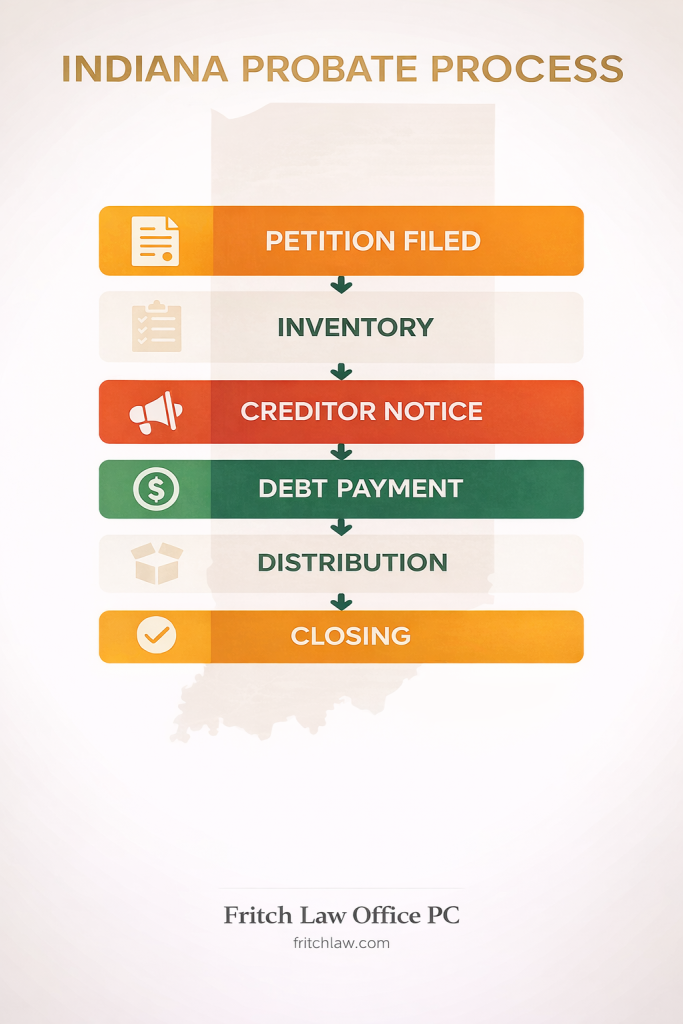
Indiana probate can take 6–18 months and cost 3–7% of the estate in fees. A properly funded revocable living trust avoids it entirely for trust assets.
Small estates under $100,000 may qualify for simplified procedures, but most families benefit from trusts.
This Indiana probate decision flowchart shows exactly when probate is required vs avoidable.

Does Indiana Law Require Estate to Go Through Probate? 5 Essential Facts for 2025
Another flowchart of the full Indiana probate process — what you avoid with proper planning.
● File as soon as possible (within 24–48 hours is best).
● Have photos and evidence ready when calling or visiting.
● Ask for the case number and officer’s contact info.
● Follow up in 7–10 days if no update.
● Use the anonymous tip line for safety concerns.
Costs of Estate Planning in Indiana 2026
Timeline to Complete Your Plan
Real-Life Indiana Examples
Myths Debunked
Myth 1: Estate planning is only for the wealthy. Fact: Everyone benefits from avoiding probate and incapacity planning.
Myth 2: A will avoids probate. Fact: Only a properly funded trust does.
Frequently Asked Questions
Q1. Does Indiana have an estate tax in 2026?
No — only federal rules apply.
Q2. How much can I gift tax-free in 2026?
$19,000 per recipient per year.
Q3. Do I need a lawyer for a revocable trust?
Yes — proper drafting and funding are critical.
Q4. What happens if I die without a plan?
Indiana intestate laws decide — not your wishes.
Q5. When should I review my plan?
Every 3–5 years or after marriage, divorce, birth, or major asset changes.
If you’re ready to protect your legacy and slash taxes in Southern Indiana (Jasper, Huntingburg, Dale, Tell City, Washington, Boonville, Evansville or surrounding areas), Fritch Law specializes in custom estate plans, revocable trusts, probate avoidance, and tax-efficient strategies. They make the process simple, affordable, and tailored to Indiana families. Visithttps://www.fritchlaw.com/ for estate planning resources or call 812-482-9232 for a free, no-pressure consultation.
This guide is based on Indiana law and federal tax rules as of 2026. Tax laws can change; always verify with current IRS and Indiana sources. This is not legal or tax advice — every situation is unique. Consult a licensed Indiana estate planning attorney and tax professional for advice specific to your family and assets.