

Tenant rights lawyer indiana: Complete 2026 Guide
Fritch Law Office handles tenant rights lawyer indiana cases for Indiana residents every day. First, our attorneys examine your situation carefully. Next, we identify your strongest legal options. Furthermore, we explain every step in plain language. Therefore, you make confident decisions from day one.
Key Facts About Tenant rights lawyer indiana in Indiana
Indiana courts apply strict 2026 rules to tenant rights lawyer indiana matters. Moreover, experienced attorneys win better outcomes for clients. Additionally, early legal advice prevents costly mistakes. Consequently, clients who hire Fritch Law gain a clear advantage. However, waiting too long weakens your position significantly.
Take Action on Tenant rights lawyer indiana Today
Do not delay your tenant rights lawyer indiana case. First, call our Jasper office directly. Next, we schedule your free consultation immediately. Then, we build a winning strategy for you. Additionally, we represent you at every court hearing. Finally, we resolve your case as fast as possible.

Visit the Indiana Courts website for official legal information. Contact Fritch Law for your free consultation today.
Why Indiana Renters Need Legal Protection
A tenant rights lawyer Indiana can be your strongest ally when facing eviction, deposit disputes, or unsafe living conditions. Whether you’re dealing with an illegal lockout, discrimination, or a landlord who won’t make essential repairs, knowing when and how to get legal help can save your home and your money.
Quick Answer for Indiana Renters:
- Free help available: Indiana Legal Services provides free assistance to those earning up to 125% of federal poverty guidelines
- Private attorneys: Typically charge $200-$500 per hour, many offer free consultations
- Common cases: Eviction defense, security deposit recovery, habitability issues, discrimination claims
- Key deadlines: 10 days for rent notices, 30 days for lease termination, 45 days for deposit returns
Indiana is considered a landlord-friendly state, but tenants still have significant rights under Indiana Code Title 32, Article 31. You have the right to safe, habitable housing, protection from discrimination, and proper notice before eviction. When landlords violate these rights, legal action may be your best option.
The stakes are high – an eviction on your record can make finding future housing nearly impossible. Security deposits wrongfully withheld can cost you hundreds or thousands of dollars.
I’m David Fritch, and I’ve spent 40 years helping Indiana residents steer complex legal challenges, including landlord-tenant disputes where understanding your rights as a tenant is crucial. As an experienced lawyer who has seen how quickly housing situations can escalate, I’ll guide you through when you need a tenant rights lawyer Indiana and how to find the right legal help for your situation.
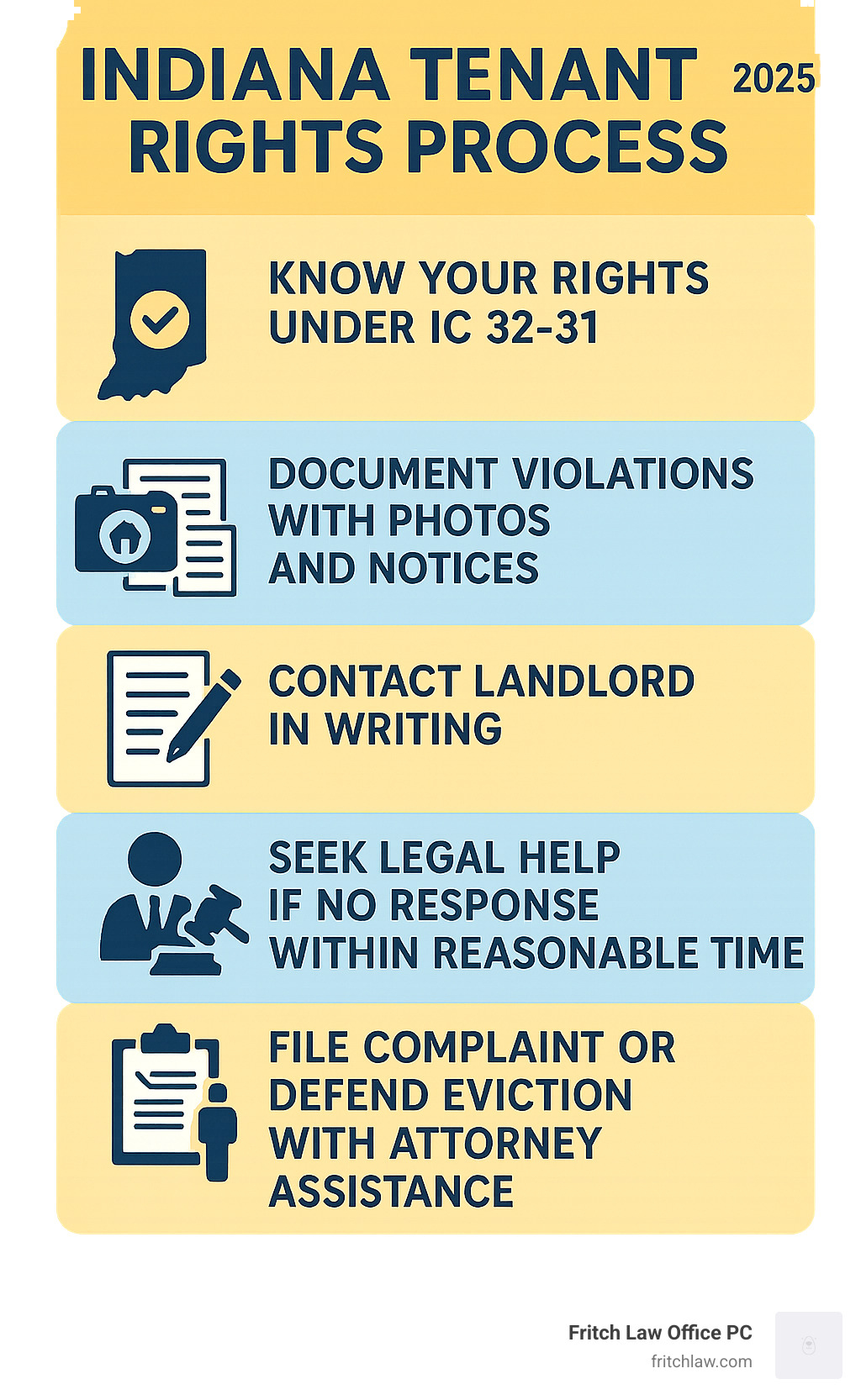
Tenant rights lawyer Indiana basics:
Understanding Your Rights as an Indiana Tenant
Being a renter in Indiana can feel overwhelming, especially when your landlord isn’t holding up their end of the deal. The good news? You have more rights than you might think, even though Indiana tends to favor landlords more than some other states.
Your rights as a tenant are protected under Indiana Code Title 32, Article 31, and understanding these protections is crucial for knowing when you might need a tenant rights lawyer Indiana to help you fight back.
Your home should be safe and livable – that’s not just common sense, it’s the law. Under Indiana’s implied warranty of habitability, your landlord must provide a rental that’s actually fit for humans to live in. This means working plumbing, electrical systems, heat when it’s freezing outside, and walls that aren’t falling down.
Privacy matters too. Your landlord can’t just barge into your apartment whenever they feel like it. They need to give you reasonable notice – typically 24 hours – before entering your home, except in genuine emergencies.
Retaliation is banned. If you complain about broken heat, report code violations, or exercise any of your legal rights, your landlord cannot punish you by raising your rent, cutting off services, or trying to evict you. Indiana Code 32-31-8-5 specifically protects you from this kind of retaliation.
Discrimination has no place in housing. Federal and state fair housing laws protect you from being treated differently because of your race, color, religion, sex, national origin, disability, or family status.
Your security deposit isn’t your landlord’s piggy bank. They have exactly 45 days to return your deposit with a detailed, itemized list of any deductions. Those deductions must be for actual damage beyond normal wear and tear – not just because they want to redecorate.
Key Statutes & Deadlines
Timing is everything in landlord-tenant law, and missing a deadline can completely change the outcome of your case.
The 10-day notice is what your landlord must give you before starting an eviction for unpaid rent or lease violations. This isn’t just a courtesy – it’s required by law, and if they skip this step, their eviction case could be thrown out.
Month-to-month leases require 30-day notice for termination. Your landlord can’t just decide on Tuesday that you need to be out by Friday.
That 45-day security deposit deadline isn’t flexible. If your landlord misses it, they may lose their right to keep any of your deposit at all.
Smoke detector repairs get 7 working days. Once you notify your landlord in writing about a broken or missing smoke detector, they have one week to fix or replace it.
What Makes a Rental “Uninhabitable”?
Sometimes a rental crosses the line from “needs some work” to “actually dangerous to live in.” Understanding what legally counts as uninhabitable can help you know when you have grounds for serious legal action.
Broken utilities top the list of habitability problems. No heat during an Indiana winter isn’t just uncomfortable – it’s dangerous. Similarly, plumbing that doesn’t work or electrical systems that spark make your home legally uninhabitable.
Structural hazards include collapsed ceilings, broken windows that won’t secure, stairs that might collapse, or walls with holes that let in weather and pests.
Health hazards like severe mold growth, major pest infestations, or lead paint exposure can make your rental legally uninhabitable.
Safety violations such as missing smoke detectors, broken locks, or violations of fire safety codes put you and your family at serious risk.
Here’s the catch: unlike some states, Indiana doesn’t let you withhold rent even when your rental is uninhabitable. Instead, you must notify your landlord in writing about the problems and give them a reasonable chance to fix them. If they don’t respond or refuse to make necessary repairs, that’s when legal action becomes your best option.
When and Why to Hire a Tenant Rights Lawyer Indiana

Not every argument with your landlord needs a lawyer. But when your housing situation crosses certain lines, having a tenant rights lawyer Indiana on your side can mean the difference between keeping your home and losing everything.
Eviction defense is the most urgent reason to call a lawyer. Once that eviction notice hits your door, you’re on a legal timeline that doesn’t care about your work schedule or family obligations. Indiana’s eviction process moves fast, and one missed deadline can put you on the street. An experienced lawyer can spot flaws in the eviction paperwork, negotiate with landlords, and fight for you in court.
Repair disputes that affect your health or safety also warrant legal help. When your landlord ignores broken heat in January or refuses to fix serious mold problems, you need someone who knows how to force action through the courts. Unlike some states, Indiana doesn’t let you just stop paying rent – you need a legal strategy.
Deposit recovery cases involving substantial amounts of money benefit from professional representation. If your landlord is wrongfully keeping $2,000 of your deposit, the lawyer’s fees might be worth it, especially since Indiana law allows you to recover attorney fees in some cases.
Lease negotiations for commercial properties or complex residential arrangements often require legal review. A lawyer can spot problematic clauses before you sign and suggest modifications that protect your interests.
Record sealing becomes crucial if you’ve been through an eviction. Having an eviction on your record is like having a scarlet letter when you’re trying to find housing. An experienced lawyer can help you understand your options for expungement.
Signs You Need a Tenant Rights Lawyer Indiana
Lock-outs top this list – if your landlord changes the locks or removes your belongings without going through proper legal channels, this is illegal self-help eviction. Document everything with photos and call a lawyer immediately.
Utility shut-offs by landlords are another red flag. Your landlord can’t just turn off your electricity or water to force you out. This is illegal in Indiana, and you have grounds for legal action.
Sudden rent hikes that seem retaliatory need legal scrutiny. While Indiana doesn’t have rent control, landlords can’t raise rent to punish you for complaining about conditions or exercising your legal rights.
Harassment by landlords crosses the line when they repeatedly enter without notice, make threats, or create a hostile living environment. Your right to quiet enjoyment of your home is legally protected.
How a Lawyer Protects Your Rights
A skilled attorney becomes your advocate in ways you might not expect. Court filings require precise language and timing – one mistake can torpedo your case. Lawyers know Indiana’s court procedures and filing requirements inside and out.
Mediation often resolves disputes faster and cheaper than going to trial. An experienced lawyer knows when to push for mediation and how to negotiate effectively during these sessions.
Fair housing complaints involving discrimination require knowledge of both federal and state laws. These cases often involve filing with multiple agencies while pursuing court action – it’s a complex process that benefits from professional guidance.
Record expungement procedures vary by county and require specific forms and timelines. A lawyer can steer these requirements and give you the best chance of clearing your record.
The bottom line? When your housing stability, your money, or your future ability to rent are at stake, professional legal help isn’t a luxury – it’s a necessity.
Common Landlord-Tenant Disputes & Legal Remedies
Every day, Indiana renters face situations that leave them wondering if they need legal help. The truth is, some problems you can handle yourself, while others require a tenant rights lawyer Indiana to protect your interests properly.
Late rent and payment disputes top our list of common issues. Your landlord can charge late fees, but only if they’re reasonable and clearly outlined in your lease. They can’t slap you with a $200 late fee on a $500 rent payment – that’s excessive and likely unenforceable. More importantly, being a few days late doesn’t give your landlord the right to immediately start eviction proceedings without following proper notice requirements.
Illegal entry cases make up another significant portion of tenant disputes. Your home is your castle, even when you’re renting it. Landlords who show up unannounced, use their key to enter whenever they please, or bring prospective tenants through without proper notice are violating your privacy rights. Document every incident with dates, times, and any witnesses.
Withheld security deposits represent the most frequent calls we receive at our office. The law is clear: landlords have 45 days to return your deposit with an itemized list of any deductions. Those deductions must be for actual damages beyond normal wear and tear, unpaid rent, or utilities specifically mentioned in your lease.
Repair and maintenance disputes can quickly escalate from minor annoyances to serious legal matters. When your landlord ignores requests to fix broken heating systems, leaking roofs, or pest infestations, you’re dealing with more than just inconvenience – you’re facing potential habitability violations.
Eviction Process Breakdown
Understanding how Indiana’s eviction process works can help you spot when you need immediate legal help. The process moves faster than many tenants realize, and missing key deadlines can cost you your home.
The notice period starts everything rolling. For nonpayment of rent, you get 10 days to pay or quit. For month-to-month leases, landlords must give 30 days’ notice to terminate. These aren’t suggestions – they’re legal requirements that protect your rights.
Court filing happens after the notice period expires and you haven’t resolved the issue. Your landlord files an eviction complaint with the local court, officially starting the legal process.
Service of process means you receive official court documents – a summons and complaint that outline why your landlord wants you evicted. This isn’t junk mail you can ignore.
Your answer deadline is typically 20 days from when you’re served. This is your chance to respond to the landlord’s claims, raise defenses, or file counterclaims. Missing this deadline often results in an automatic judgment against you.
The hearing gives both sides a chance to present their case to a judge. This is where having legal representation makes the biggest difference.
Judgment and enforcement complete the process if the landlord wins. The court issues a possession order, and after additional notice periods, the sheriff can physically remove you and your belongings.
Security Deposit Battles
Security deposit disputes follow predictable patterns, but the outcomes depend heavily on how well you understand and enforce your rights.
Your landlord’s obligations are straightforward but often ignored. They must return your deposit within 45 days, provide an itemized list of any deductions, and only charge for actual damages beyond normal wear and tear, unpaid rent, or utilities specifically mentioned in your lease.
Common illegal deductions we see include charges for normal wear and tear like small nail holes, faded paint, or carpet wear in high-traffic areas. Landlords also can’t charge cleaning fees unless your lease specifically allows them, and they can’t bill you for pre-existing damage.
Legal remedies for wrongfully withheld deposits can be substantial. Indiana law allows you to recover not just your deposit, but potentially additional damages and attorney fees. This fee-shifting provision means landlords often pay your legal costs when they wrongfully keep your money.
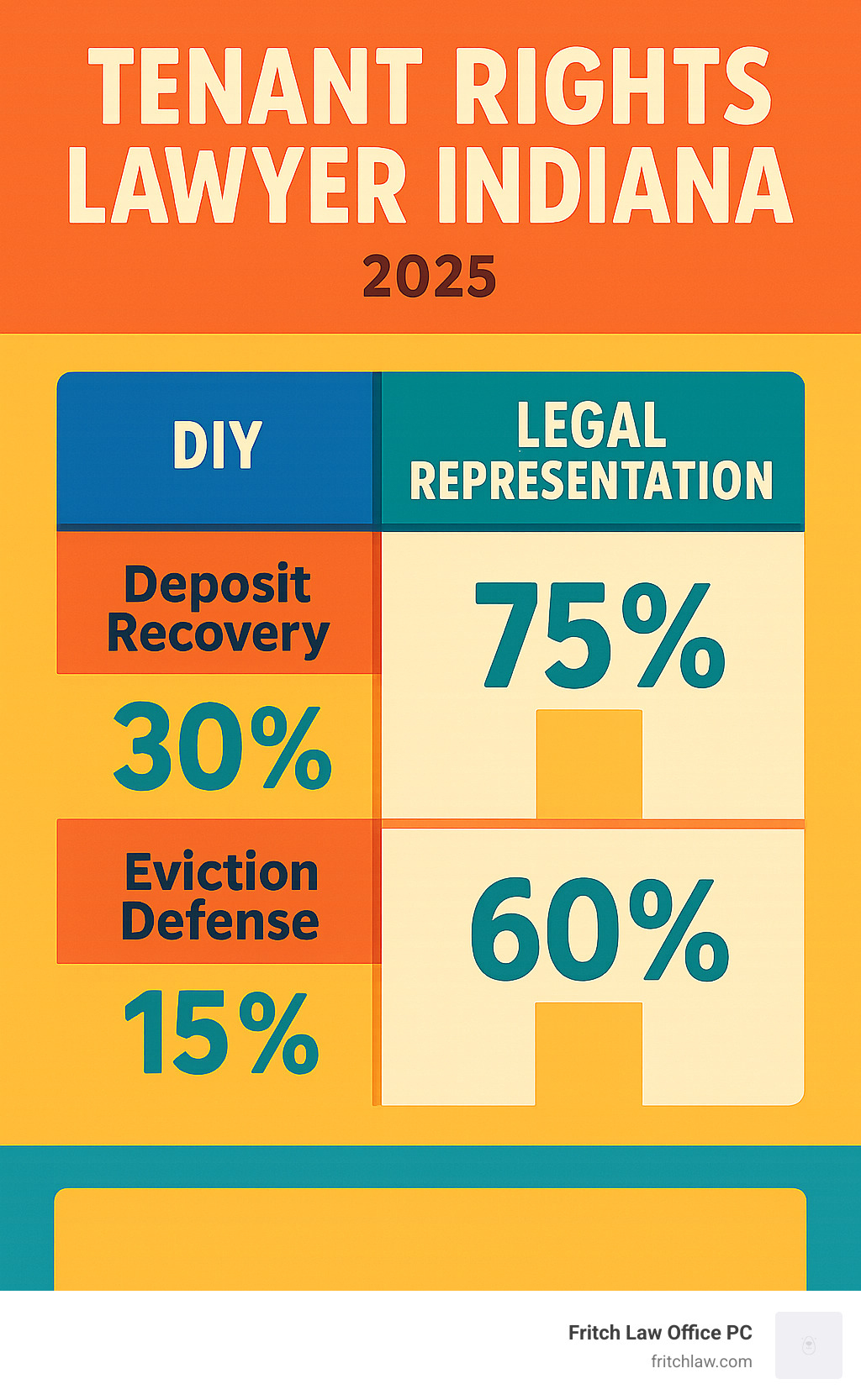
The data speaks for itself – legal representation significantly improves your chances of success in both deposit recovery and eviction defense cases. While you might save money upfront by going it alone, the long-term costs of losing your case often far exceed the investment in proper legal help.
Finding & Affording Legal Help in Indiana
The thought of hiring a lawyer can feel overwhelming, especially when you’re already stressed about housing issues. But here’s the good news: Indiana offers multiple ways to get legal help, regardless of your budget.
Indiana Legal Services (ILS) has been the backbone of free legal assistance for Hoosiers since 1966. This nonprofit organization operates in all 92 Indiana counties with a clear mission: using the law to fight poverty and improve access to justice.
If you’re earning up to 125% of the Federal Poverty Guidelines (about $18,000 annually for a single person), you likely qualify for completely free legal help. In some circumstances, they’ll help people earning up to 200% of the guidelines. ILS specifically handles the exact issues you’re facing – eviction defense, security deposit disputes, habitability problems, and housing discrimination cases.
What makes ILS particularly valuable is their eviction sealing clinics. These help clear eviction records from your background, which can be life-changing when you’re trying to find new housing. You don’t need to worry about geographic barriers either – they serve every county in Indiana.
Beyond ILS, many Indiana communities host legal aid clinics where attorneys volunteer their time for free consultations and limited representation.
For comprehensive information about all your options for getting legal help as a renter, our detailed guide on Legal Help for Renters covers everything you need to know.
Low-Cost & Free Services
Getting started with free legal help is straightforward. Contact Indiana Legal Services directly or visit their website to apply. They’ll review your income and the nature of your legal issue to determine if you qualify.
The application process considers both your income level and the urgency of your situation. If you’re facing an immediate eviction, they often prioritize these cases regardless of where you fall in their usual income guidelines.
Many attorneys also offer pro bono services – completely free representation for people who can’t afford to pay. While these spots are limited, it’s worth asking any attorney you contact if they have pro bono availability.
Housing hotlines throughout Indiana provide immediate guidance and can connect you with appropriate legal resources.
Budgeting for an Attorney
If you don’t qualify for free services or need more extensive representation, understanding how attorneys charge helps you plan accordingly.
Most tenant rights lawyer Indiana professionals charge hourly rates between $200-$500, with urban areas like Indianapolis typically at the higher end. Before this scares you off, many housing cases don’t require extensive time – a strongly worded letter from an attorney can often resolve deposit disputes or repair issues quickly.
Flat fee arrangements work well for specific services like eviction defense or lease review. This gives you cost certainty upfront – you know exactly what you’ll pay regardless of how long the case takes.
Contingency fees can be a game-changer when you’re seeking monetary damages. The attorney only gets paid if you win, typically taking 25-40% of any recovery. This works particularly well for security deposit cases or discrimination claims where you’re seeking compensation.
Most attorneys, including our firm, offer free initial consultations. This lets you understand your legal options and discuss fee arrangements before committing to anything. Use this opportunity to ask about payment plans – many attorneys will work with you to make representation affordable.
Sealing an Eviction Record
An eviction record can haunt you for years, making it nearly impossible to find decent housing. Fortunately, Indiana law provides a path to seal eviction records in many situations.
You may be eligible for record sealing if you won your eviction case, the case was dismissed, or you meet specific criteria even for cases you lost. The key is acting promptly – there are time limits for filing these petitions.
The sealing process requires filing a petition with the same court that heard your original eviction case. You’ll need supporting documentation explaining why sealing serves the interests of justice.
Once sealed, the eviction generally won’t appear on background checks, dramatically improving your chances of finding future housing. This process can literally be life-changing for people trying to rebuild after housing difficulties.
For detailed step-by-step guidance on this process, our comprehensive guide on Tenant Rights Indiana Eviction walks you through everything you need to know.
When you’re ready to find qualified attorneys, professional directories like Super Lawyers provide ratings and background information to help you choose the right representation for your specific situation.
The cost of not getting legal help often exceeds the cost of hiring an attorney. An eviction on your record, lost security deposits, or continued unsafe living conditions can cost you far more than legal fees.
Frequently Asked Questions about Tenant Rights Lawyer Indiana

What documents should I bring to my first consultation?
Come prepared with:
- Your lease agreement: This is the foundation of your legal relationship with your landlord
- All notices: Eviction notices, repair requests, lease violation notices, or any other written communication
- Rent receipts: Proof of payment history, especially important in eviction cases
- Photos and videos: Document property conditions, especially for habitability or security deposit issues
- Correspondence: Emails, texts, or letters between you and your landlord
- Bank statements: If relevant to security deposit or rent payment disputes
The more documentation you bring, the better we can evaluate your case and provide specific advice.
How long does an Indiana eviction case usually take?
Indiana eviction cases typically take 2-6 weeks from filing to final possession order, but several factors affect timing:
Uncontested cases: If you don’t respond to the eviction complaint, the landlord can get a default judgment within 2-3 weeks.
Contested cases: When you file an answer and contest the eviction, cases usually take 4-6 weeks, sometimes longer if complex legal issues arise.
Appeals: If either party appeals the decision, the process can extend several months.
Delays: Court scheduling, findy disputes, or requests for jury trials can extend timelines.
The key is responding quickly to any eviction notice. Once you receive court papers, you typically have only 20 days to file your response.
Can I sue for landlord retaliation?
Yes, Indiana law specifically prohibits landlord retaliation under IC 32-31-8-5. You can sue if your landlord retaliates against you for:
- Complaining about housing conditions
- Contacting health or building inspectors
- Organizing or joining a tenant organization
- Exercising any legal right as a tenant
Available remedies include:
- Actual damages (increased rent, moving costs, etc.)
- Punitive damages in some cases
- Attorney fees and court costs
- Injunctive relief to stop the retaliatory behavior
Proving retaliation requires:
- Evidence you engaged in protected activity
- Proof the landlord took adverse action against you
- A connection between your protected activity and the landlord’s response
- Timing showing the retaliation occurred within a reasonable period after your protected activity
Retaliation cases can be complex, requiring careful documentation and legal strategy to prove the landlord’s improper motivation.
Conclusion
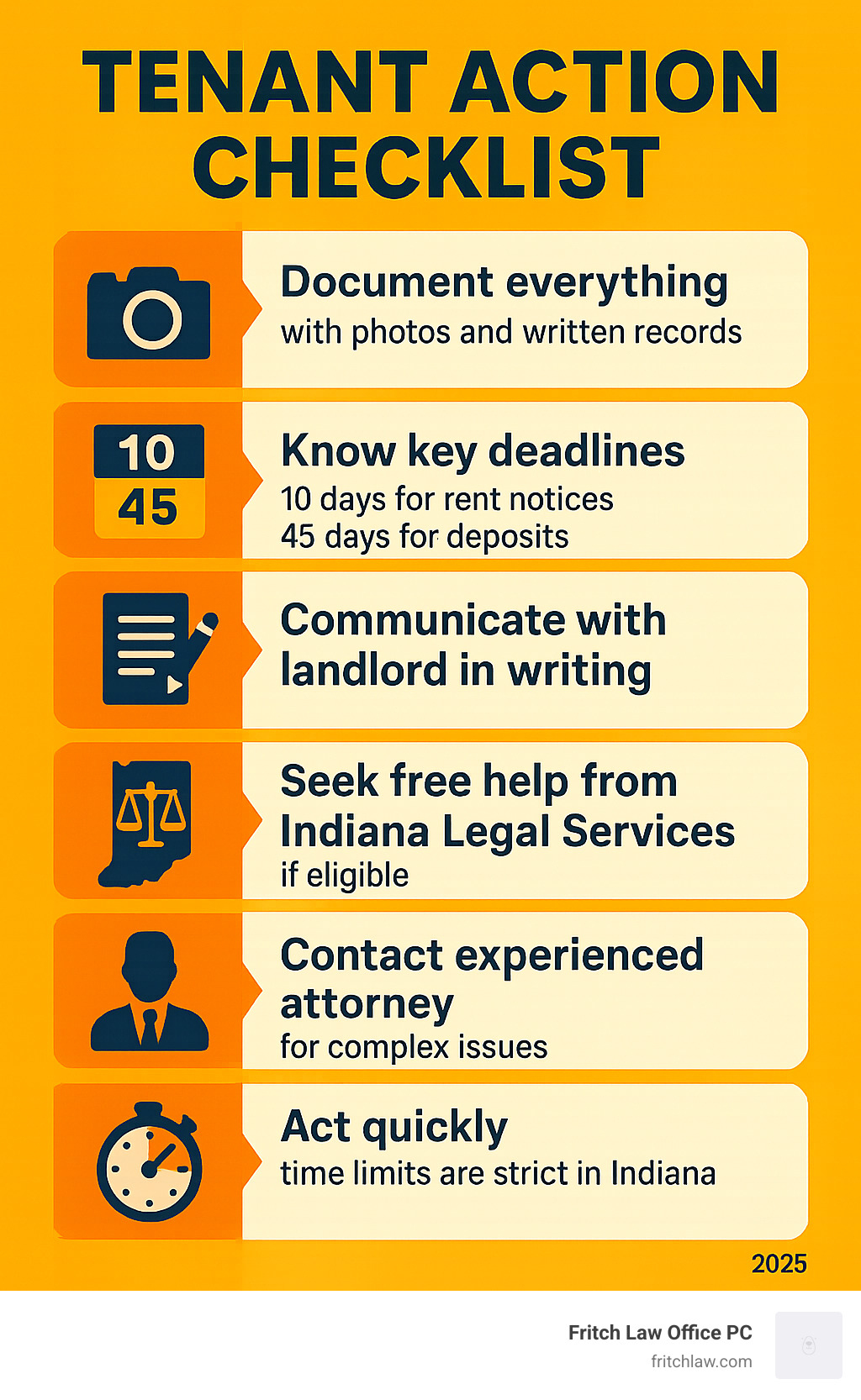
When you’re dealing with landlord problems in Indiana, having the right tenant rights lawyer Indiana in your corner can completely change the outcome of your situation. I’ve seen too many good people lose their homes or their hard-earned money simply because they didn’t know their rights or waited too long to get help.
The reality is that Indiana’s landlord-friendly laws work on tight deadlines that don’t wait for anyone. You have just 10 days to respond to a rent notice and only 45 days to challenge wrongful security deposit deductions. Miss these windows, and your legal options shrink dramatically.
But here’s what gives me hope after 40 years of practice: legal help is truly available for everyone in Indiana. Indiana Legal Services provides completely free assistance to those earning up to 125% of federal poverty guidelines. For others, many attorneys offer free consultations and payment plans that make quality representation accessible.
The key is acting quickly and coming prepared. Document everything – take photos of problems, keep all written communications, and save your rent receipts. These simple steps can make the difference between winning and losing your case.
Some situations absolutely require professional legal help. If you’re facing eviction, dealing with discrimination, or fighting for a substantial security deposit, don’t try to handle it alone.
At Fritch Law Office PC, we understand that housing problems affect your entire life – your family’s stability, your financial security, and your peace of mind. That’s why we take a personalized approach to every case, working within your budget to find solutions that actually work for your situation.
Don’t let landlord problems spiral out of control. Whether you need help understanding a confusing lease, responding to an eviction notice, or recovering money that’s rightfully yours, experienced legal guidance can protect what matters most to you.
Contact us today for a free consultation where we’ll listen to your story, explain your options clearly, and help you decide on the best path forward. For comprehensive information about your rights and legal strategies, visit our detailed resource on Tenant Rights Lawyer Indiana for personalized guidance custom to your specific circumstances.
Your home is more than just a place to live – it’s your foundation for everything else in life. Let us help you protect it with the legal representation you deserve, at a price you can afford.