
Understanding Your Right to Compensation
When your home becomes a source of anxiety rather than sanctuary, the impact goes beyond just physical discomfort. The question of how much can I sue my landlord for emotional distress isn’t just about money—it’s about acknowledging real harm and finding justice.
The answer varies widely based on several important factors. Your compensation depends on the severity of your distress, medical expenses you’ve incurred, wages you’ve lost, and even where you live. Courts take these emotional injuries seriously, especially when they affect your daily functioning and peace of mind.
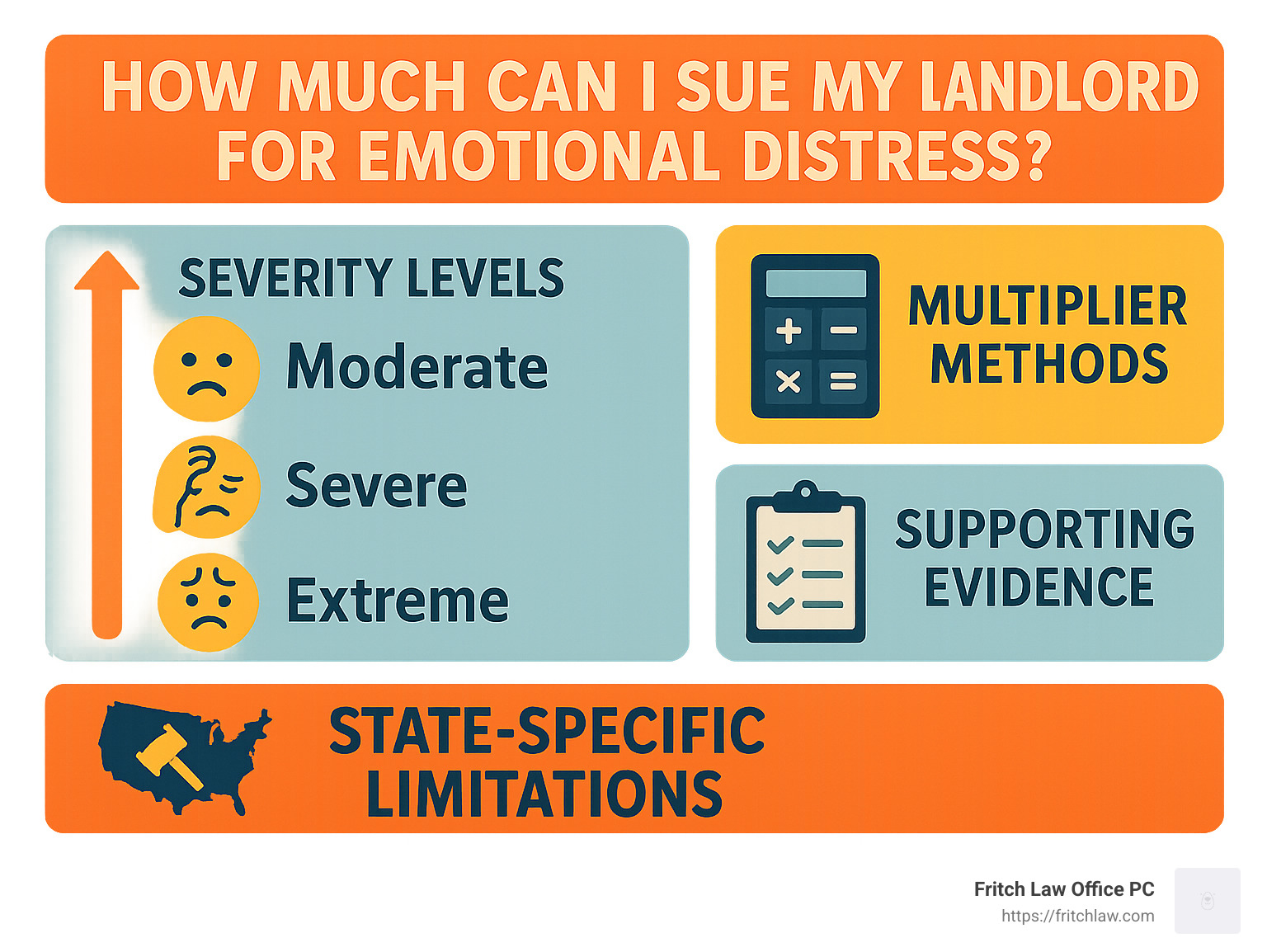
| Severity Level | Typical Compensation Range | Key Factors |
|---|---|---|
| Moderate distress | $30,000 – $75,000 | Requires therapy but not long-term treatment |
| Severe distress | $100,000+ | PTSD, ongoing mental health conditions |
| Extreme/Intentional | $500,000+ | Cases of intentional infliction of emotional distress |
Think about a landlord who repeatedly enters your apartment without permission, ignores dangerous mold growth, or harasses you because of your race or religion. These aren’t just annoyances—they can trigger anxiety attacks, depression, and even post-traumatic stress. That psychological harm deserves proper compensation.
In many states, including California, you don’t necessarily need physical injuries to pursue damages. Claims can be based on either negligent or intentional infliction of emotional distress. Your potential award typically reflects how severe your distress is, how long you’ve suffered, and how convincingly you can prove it.
When calculating how much compensation you deserve, courts often use different approaches:
The multiplier method takes your economic damages (like therapy bills) and multiplies them by 1.5 to 5, depending on severity. The per diem method assigns a daily dollar value to your suffering. And in many successful cases, expert testimony from mental health professionals validates the extent of your psychological harm.
As an attorney with over four decades of experience handling landlord-tenant disputes, I’ve guided many clients through this difficult process. Understanding what fair compensation looks like helps set realistic expectations for your case.
Want to learn more about your specific rights? These resources can help you understand the legal landscape in Indiana:
– indiana landlord laws
– indiana tenant rights eviction
– tenant rights indiana
Each case is unique. While these figures provide a general framework, your specific circumstances—and the quality of your legal representation—will ultimately determine the compensation you might receive.
Emotional Distress in Landlord-Tenant Relationships

Your home should be your sanctuary—a place of safety, comfort, and peace. Yet for many renters, this fundamental need is violated when landlords act negligently or deliberately in ways that cause real emotional harm. Understanding these dynamics is crucial when considering how much can I sue my landlord for emotional distress.
Common Triggers & Symptoms
The emotional toll of landlord-tenant conflicts can be overwhelming. Just last month, I spoke with a tenant from Indianapolis who hadn’t slept properly in weeks because of her landlord’s repeated unannounced entries. “Every creak in the hallway makes my heart race,” she told me.
These distressing situations often stem from specific circumstances. Mold infestations left untreated can trigger not just health problems but anxiety about your family’s safety. Unlawful entries violate your privacy and sense of security. Eviction threats, especially baseless ones, create profound uncertainty about your housing stability.
The psychological impact can be severe. Many tenants experience sleeplessness and panic attacks when facing these situations. Some develop symptoms of depression, anxiety, or even PTSD. One client described feeling “constantly on edge” in what should have been the comfort of his own home after months of harassment from his property manager.
These symptoms aren’t just uncomfortable—they can disrupt your entire life, affecting your work performance, relationships, and overall wellbeing. They represent real harm that deserves recognition and compensation.
Why Emotional Harm Is Legally Compensable
The legal system recognizes emotional suffering as a genuine form of damage through several key principles. Your right to quiet enjoyment of your rental property is protected by law. Similarly, landlords must maintain habitability standards—not just for physical safety, but for reasonable comfort.
When landlords engage in harassment or discrimination, they violate fair housing protections that safeguard your dignity and peace of mind. These violations fall under what the legal system calls non-economic damages—real harms that don’t come with a precise price tag but nonetheless deserve compensation.
As one Indiana judge noted in a recent case: “A tenant’s mental wellbeing is not secondary to physical safety—both are essential to the concept of habitability.” This perspective reflects a growing recognition in tort law that emotional distress claims deserve serious consideration.
Public policy also supports compensating emotional distress in these cases. Without such protections, unscrupulous landlords might calculate that ignoring tenant rights is profitable if only physical damages count. By recognizing emotional distress claims, courts help ensure that all landlords have proper incentives to respect tenant rights.
Understanding these legal foundations helps explain why courts take emotional distress seriously—and why you might have grounds to seek compensation if you’ve suffered due to your landlord’s actions. For more information about the different types of emotional distress recognized by law, you might find this resource on types of emotional distress helpful.
If you’re struggling with a difficult landlord situation and wondering about your options, we also offer more information about Legal Help for Renters that might address your specific concerns.
Can You Sue? Legal Grounds, Statutes & Evidence
When tenants ask me how much can I sue my landlord for emotional distress, my first question is always whether they have legal grounds for a case. Not every unpleasant rental experience qualifies for compensation, but many serious situations do.
Emotional distress claims typically fall into several important categories:
Landlords who deliberately harass or intimidate tenants may be liable for Intentional Infliction of Emotional Distress (IIED). This requires proving truly outrageous behavior that goes beyond mere rudeness or annoyance.
Even without intent, landlords who negligently create harmful situations can face Negligent Infliction of Emotional Distress (NIED) claims. For example, failing to address dangerous mold despite knowing about health risks.
Living in an uninhabitable apartment—with issues like no heat, serious pest infestations, or structural hazards—violates the implied warranty of habitability and can support emotional distress claims when these conditions affect your mental health.
If your landlord tries to evict you after you’ve complained about repairs or exercised other legal rights, this retaliatory eviction can cause compensable emotional harm.
Discrimination based on race, religion, family status or other protected characteristics violates fair housing laws and often causes significant emotional suffering that courts recognize as compensable.
According to Healthline, emotional distress manifests through various types of emotional distress including anxiety, depression, sleep problems, and changes in eating patterns—all symptoms courts consider when evaluating claims.
Essential Proof & Documentation
Courts won’t simply take your word about emotional suffering. You’ll need convincing evidence that meets the preponderance of evidence standard—showing it’s more likely than not that your landlord caused your distress.
Building a strong case means documenting everything. Keep a detailed incident log with dates, times, and descriptions of all problematic interactions. Take photos and videos of unsafe conditions or property damage. Save every email, text and letter between you and your landlord.
When communicating important concerns, use certified mail so you have proof your landlord received your complaints. This creates a paper trail showing you gave them reasonable opportunity to address problems.
Medical and therapy records are particularly powerful evidence. A therapist noting your anxiety developed after repeated landlord harassment carries significant weight with judges and juries.
Don’t overlook witness statements from neighbors, friends or family who observed the conditions or your distress. And consider whether you might need expert testimony from mental health professionals who can validate your condition and connect it to your living situation.
I remember one client who carefully documented her landlord’s pattern of entering her apartment without notice. Her daily journal entries, combined with her therapist’s testimony about the resulting anxiety disorder, helped secure a substantial settlement that reflected her genuine suffering.
State-Specific Deadlines & Caps
Don’t wait too long to pursue your claim. Each state has a statute of limitations—a deadline for filing your case:
In Indiana, you generally have 2 years for personal injury claims, including emotional distress cases against landlords.
California allows 2 years for personal injury claims, but some tenant harassment situations extend this to 3 years.
New York provides a 3-year window for most personal injury claims.
Some states also limit how much you can recover. Fortunately, Indiana has no specific cap on emotional distress damages in landlord-tenant cases, which can work in your favor if you’ve experienced serious harm.
In tenant-friendly jurisdictions like San Francisco, particularly egregious landlord behavior can result in treble damages—triple the compensation you’d normally receive. I’ve seen cases where tenants received over $400,000 after landlords harassed them to vacate rent-controlled apartments.
Understanding your rights is crucial, which is why we offer More info about Legal Help for Renters on our website. Every situation is unique, and the specific circumstances of your case will determine both its viability and potential value.
How Much Can I Sue My Landlord for Emotional Distress?

When tenants ask me, “how much can I sue my landlord for emotional distress?” I wish I could give them a simple answer. The truth is, these cases don’t come with a price tag already attached. Instead, compensation depends on your unique situation and several important factors.
Emotional distress falls under “non-economic” damages in legal terms. Unlike economic damages (those medical bills piling up or wages lost from missing work), these compensate for the invisible wounds—the anxiety keeping you up at night, the depression that makes getting out of bed a struggle, or the constant fear of returning to your own home.
Factors Affecting How Much You Can Sue Your Landlord for Emotional Distress
The value of your claim largely depends on how deeply the landlord’s actions have affected your life. Courts typically consider:
Severity of your distress makes a significant difference. A few weeks of mild anxiety won’t be valued the same as diagnosed PTSD or major depression. Your medical records will speak volumes here.
Duration matters enormously. Did you suffer for a few uncomfortable weeks or endure years of emotional torment? Longer-lasting harm typically increases compensation.
Treatment requirements influence compensation too. If your distress required professional help—weekly therapy sessions, medication, or even hospitalization—this strengthens your claim and often increases its value.
Life disruption is carefully considered. Has your emotional state prevented you from working? Damaged your relationships? Made simple daily tasks overwhelming? The more your normal life was derailed, the more compensation may be warranted.
Landlord’s intentions can significantly impact your award. Was this an honest oversight, or did your landlord deliberately harass you to force you out of a rent-controlled apartment? Intentional harm typically results in higher compensation.
Your location matters more than you might think. Some jurisdictions have established precedents for higher emotional distress awards, while others tend to be more conservative. Tenant-friendly cities like San Francisco often see higher awards than more landlord-friendly areas.
Quality of your evidence can make or break your case. Detailed documentation, compelling witness statements, and expert testimony can dramatically increase your potential compensation.
Calculating “how much can I sue my landlord for emotional distress” With Real-World Numbers
While every case is unique, I’ve found that emotional distress claims typically fall into these general ranges:
Moderate Emotional Distress: $30,000 – $75,000
This range often applies when you’ve experienced noticeable but not debilitating distress. Perhaps you needed several months of therapy to manage anxiety after your landlord repeatedly entered your apartment without permission. You had some trouble sleeping and felt uncomfortable at home, but could generally maintain your normal life.
I once worked with a tenant who developed anxiety and needed six months of weekly therapy after her landlord repeatedly showed up unannounced, sometimes while she was showering. The case settled for $45,000—enough to cover her therapy costs and compensate for the emotional toll.
Severe Emotional Distress: $100,000+
When landlord actions cause serious psychological harm requiring ongoing treatment, compensation typically increases substantially. This might include diagnosed PTSD after living with dangerous conditions or severe depression following harassment or discrimination.
A client of mine developed severe panic disorder after living with toxic black mold that her landlord refused to address for years. Her inability to work, ongoing psychiatric care, and the permanent nature of her condition resulted in a settlement exceeding $150,000.
Extreme/Intentional Infliction: $500,000+
In cases involving deliberate, malicious conduct, awards can be substantial. These often include additional punitive damages designed to punish particularly outrageous behavior.
While not my case, I followed with interest when a San Francisco tenant received over $500,000 after their landlord engaged in a systematic campaign of harassment—cutting utilities, making threats, and creating uninhabitable conditions—all to force them from a rent-controlled apartment.
In tenant-friendly jurisdictions, statutory penalties can add significantly to these amounts, with some cities allowing $1,000 to $10,000 per violation, and even treble (triple) damages in egregious cases.
Maximizing Value Without Physical Injury
Many tenants worry their claim won’t be taken seriously without physical injury. While physical harm can strengthen a case, it’s absolutely possible to recover significant damages for purely emotional suffering.
Intentional Infliction of Emotional Distress (IIED) claims can succeed without any physical component if you can demonstrate your landlord’s behavior was truly outrageous—beyond all bounds of decency. Courts recognize that deliberate psychological torment deserves compensation.
Expert testimony becomes particularly valuable in these cases. A mental health professional who can explain your condition, its connection to the landlord’s actions, and its impact on your life can significantly strengthen your claim.
Detailed documentation of your daily experiences can be compelling evidence. One client kept a journal recording not just what her landlord did, but how it affected her each day—noting panic attacks, sleepless nights, and days she couldn’t face going to work. This detailed record proved invaluable in securing her $120,000 settlement.
While physical symptoms aren’t required, documenting any physical manifestations of your emotional distress—weight changes, hair loss, skin conditions, headaches, or digestive issues—can help substantiate your suffering and potentially increase your compensation.
Every case is different, and these figures are merely guidelines. The specific details of your situation will ultimately determine how much you can sue your landlord for emotional distress. What matters most is having an experienced attorney who understands the unique aspects of your case and can fight for the compensation you truly deserve.
The Lawsuit Journey: Steps & Pitfalls
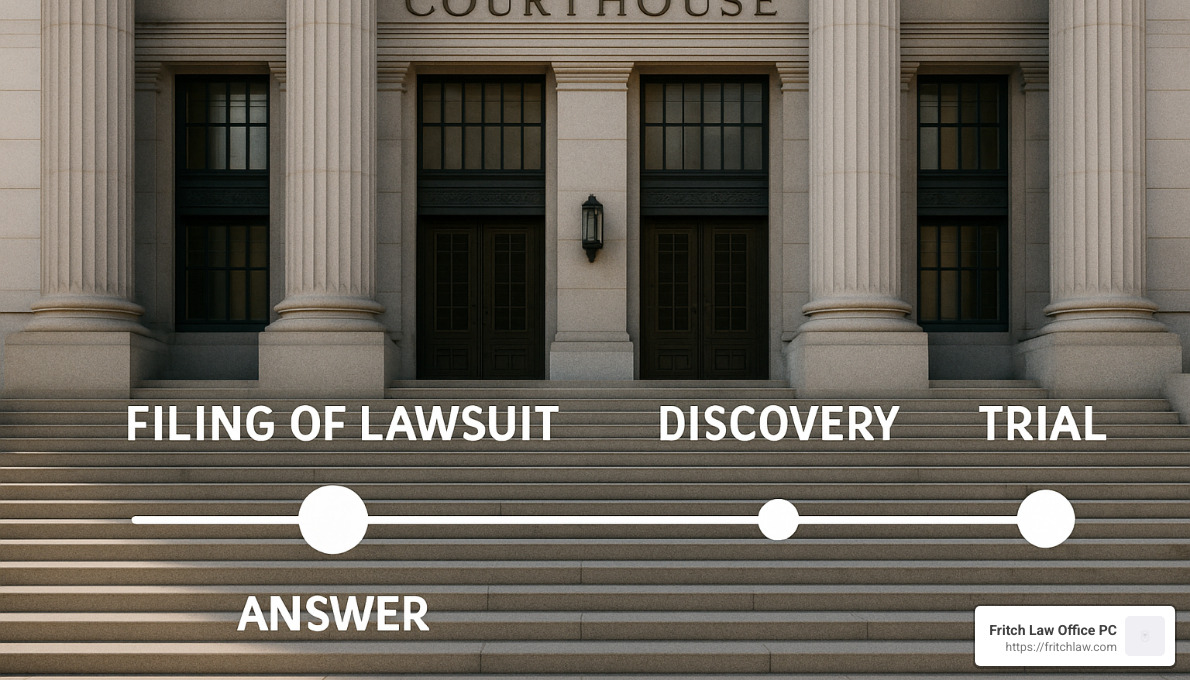
So you’ve decided to pursue compensation for your suffering—but what does the road ahead actually look like? The journey of suing your landlord for emotional distress isn’t a sprint; it’s more of a marathon with several important milestones along the way.
Your first step is building a solid foundation of evidence. Before any legal action begins, you’ll need to gather all documentation of both your landlord’s actions and the distress you’ve experienced. Those photos of black mold, the text messages showing harassment, your therapy records—all of these pieces create the puzzle that tells your story.
Once your evidence is organized, a formal demand letter often serves as your opening move. This letter outlines what happened, how it affected you, and what compensation you’re seeking. Sometimes, this alone can spark settlement talks without ever stepping foot in court. I’ve seen cases where a well-crafted demand letter led to a $45,000 settlement within weeks.
“The demand letter was intimidating to write,” shared Maria, a former client. “But putting everything down on paper actually felt therapeutic, like I was finally standing up for myself.”
Consulting with an experienced landlord-tenant attorney is crucial at this stage. They’ll evaluate whether you have a viable case for how much can I sue my landlord for emotional distress and guide your strategy moving forward. At our office, we often help clients understand if their experiences meet the legal threshold for a successful claim.
If your landlord doesn’t respond favorably to your demand letter, your attorney will file a formal complaint in court. This document details your allegations and the compensation you’re seeking. Once filed, your landlord must respond within a specific timeframe, typically 30 days.
The findy phase (sometimes called “findy”) follows, where both sides exchange evidence, take depositions, and gather information. This process usually takes 3-6 months and can feel intrusive as the defense may request your medical records or question your mental health history. It’s completely normal to feel vulnerable during this phase.
Mediation or settlement negotiations often occur throughout the process. In fact, about 90% of emotional distress cases settle before trial. Your attorney will help you evaluate any offers to determine if they fairly compensate your suffering.
If settlement proves impossible, your case proceeds to trial where a judge or jury will decide both liability and damages. Most trials last 1-5 days, though complex cases can take longer. After a verdict, either party can appeal if they believe legal errors occurred during the trial.
For more information about the legal process, you might find our page on Legal Help for Renters helpful.
Sample Timeline for “how much can I sue my landlord for emotional distress” Claims
The legal clock starts ticking the moment you formally notify your landlord of the issues causing your distress. They typically have 30 days to address the problem before your case strengthens considerably.
After consulting with an attorney and sending a demand letter, expect to wait 30-60 days for your landlord or their insurance company to respond. If they deny responsibility or offer an inadequate settlement, filing a formal complaint moves your case into the court system.
The findy phase usually spans 3-6 months, followed by settlement negotiations or mediation. If these efforts fail, trial preparation takes another 1-2 months, with the trial itself lasting several days.
Even after a verdict, the process might not be over. Either party has roughly 30 days to file an appeal, which can extend the timeline by 6-18 months. All told, from initial notice to final resolution, most emotional distress cases take between 6-18 months, though complex cases sometimes stretch longer.
“I wish someone had told me how long this would take,” one tenant told me after her case concluded. “I would have still pursued it, but I would have been mentally prepared for the marathon instead of expecting a sprint.”
Common Challenges & Landlord Defenses
When pursuing an emotional distress claim, be prepared for your landlord to fight back. The most common defense is challenging causation—they’ll argue something else in your life caused your distress, not their actions. This is where those detailed therapy notes and documentation become invaluable.
Missing filing deadlines can derail your case entirely. Each state has different statutes of limitations—in Indiana, you generally have 2 years from the incident to file your claim. Wait too long, and even the strongest case can be dismissed.
Courts apply a “reasonable landlord” standard when evaluating these cases. They ask: “Would a reasonable person find this landlord’s behavior extreme or outrageous?” What seems outrageous to you might be considered merely annoying or unpleasant by legal standards.
Insurance complications often arise too. Many landlord policies exclude intentional acts or have limited coverage for emotional distress claims. This can affect settlement negotiations, as landlords may face paying out of pocket.
Some landlords even file retaliatory counterclaims for unpaid rent or property damage. These tactics can feel intimidating, but they’re often predictable defensive strategies that experienced tenant attorneys have seen before.
For more insights about handling eviction threats, visit our page on Eviction Lawyers.
One client learned a painful lesson when her case was dismissed because she couldn’t prove she’d complained to the landlord before conditions worsened. The judge noted, “The landlord must have reasonable notice and opportunity to address issues before liability for resulting distress can attach.” Her experience highlights why documentation from the very beginning is so crucial.
The path to compensation for emotional distress isn’t always smooth, but with proper preparation, documentation, and legal guidance, tenants can successfully steer this challenging journey and receive the compensation they deserve.
Frequently Asked Questions about Emotional Distress Lawsuits Against Landlords
Do I need a physical injury to win?
One of the most common questions I hear from tenants is whether they need physical injuries to pursue an emotional distress claim. The good news is that you don’t necessarily need a physical injury to sue your landlord for emotional distress.
Many successful cases have been built solely on psychological harm. While physical injuries can certainly strengthen your case, courts increasingly recognize that emotional suffering alone deserves compensation.
When dealing with Intentional Infliction of Emotional Distress (IIED) claims, courts focus primarily on the landlord’s behavior—was it extreme and outrageous enough to cause distress in a reasonable person? The absence of physical symptoms won’t automatically disqualify your claim.
For Negligent Infliction of Emotional Distress (NIED), the standards have evolved over time. Historically, some courts required physical manifestations of emotional distress, but modern jurisprudence increasingly acknowledges that psychological harm alone can warrant compensation.
What really matters is having compelling evidence. This might include therapy records, detailed documentation of how the distress has affected your daily life, and expert testimony from mental health professionals who can validate your suffering and connect it directly to your landlord’s actions.
Can I file in small claims court?
Small claims court can be tempting—it’s generally faster and less formal than regular civil court. However, when it comes to emotional distress claims against landlords, you should consider several important limitations.
First, small claims courts have strict damage caps. In Indiana, you can’t recover more than $10,000, which may be insufficient for serious emotional distress cases. Other states have even lower limits, sometimes as little as $3,000 to $5,000.
Second, in most states, you’ll need to represent yourself since attorneys typically can’t appear in small claims court. This puts you at a disadvantage when presenting complex emotional distress claims that involve nuanced legal concepts.
The findy process is also much more limited in small claims court, potentially hampering your ability to gather crucial evidence from your landlord. And without legal representation, you might find it challenging to effectively present psychological evidence in a compelling way.
Small claims court might be appropriate if your emotional distress was relatively minor, your evidence is straightforward, and your damages fall comfortably under the $10,000 Indiana limit. For more severe cases with significant impacts on your mental health, regular civil court typically offers a better pathway to fair compensation.
What if my landlord offers a buy-out?
When facing an emotional distress claim, many landlords will offer settlements or “buy-outs” to resolve the matter quickly and avoid the uncertainty of court. These offers can come at any stage—before filing, during findy, or even on the courthouse steps.
Before accepting any offer, take a moment to evaluate whether the amount truly reflects your suffering. I’ve seen many tenants accept lowball offers out of fear or exhaustion, only to regret it later when they realize the compensation doesn’t cover their ongoing therapy needs or other impacts.
Look beyond just the dollar amount. Some settlements include valuable non-monetary terms, such as repairs to your unit, release from your lease without penalty, or positive landlord references for future housing applications. These elements can sometimes be as valuable as additional money.
Be aware that settlement agreements typically require you to release all claims against the landlord—present and future. This means if conditions worsen or new issues arise, you generally can’t file another lawsuit based on the same circumstances.
There are also potential tax implications to consider. While compensation for physical injuries is typically tax-free, emotional distress damages may be taxable unless they stem from physical injury or illness.
I always recommend having an experienced attorney review any settlement offer. At Fritch Law Office PC, we help clients weigh the certainty of a settlement against the potential for greater recovery through continued litigation.
One client came to us after receiving a $45,000 settlement offer for emotional distress caused by severe mold issues that her landlord had ignored for years. After reviewing her medical records and the strength of her evidence, we advised that similar cases had settled for substantially more. We ultimately negotiated an $88,000 settlement plus moving expenses—nearly double the original offer.
How much can I sue my landlord for emotional distress isn’t just about getting the highest dollar amount—it’s about receiving fair compensation that acknowledges your suffering and helps you move forward.
Conclusion
Determining how much can I sue my landlord for emotional distress is a complex process that depends on many factors, including the severity of your distress, the landlord’s conduct, your evidence, and your jurisdiction’s laws. While compensation typically ranges from $30,000 for moderate distress to $500,000+ for extreme cases, each situation is unique.
At Fritch Law Office PC, we understand that the emotional toll of landlord misconduct goes beyond dollars and cents. It affects your sense of security, well-being, and peace of mind in what should be your sanctuary—your home.
Our approach to emotional distress claims is both compassionate and strategic. We take the time to understand your specific situation, gather compelling evidence, and develop an individualized approach to seeking the compensation you deserve. With offices in Jasper, Indiana, we’re committed to helping tenants throughout Indiana stand up for their rights and recover from the emotional harm caused by landlord negligence or misconduct.
If you’re suffering from emotional distress due to your landlord’s actions, we invite you to contact us for a consultation. While no amount of money can completely erase the emotional trauma you’ve experienced, appropriate compensation can provide resources for healing and a sense that justice has been served.
For more information about tenant rights and legal remedies, visit our pages on tenant lawyers or legal help for renters.
Remember: Your emotional well-being matters, and the law recognizes your right to compensation when a landlord’s actions have caused you significant distress.